Theology

Luke 9:23-26

deadtoself1

Luke 9:23-26 (NASB) And He was saying to them all, “If anyone wishes to come after Me, he must deny himself, and take up his cross daily and follow Me. “For whoever wishes to save his life will lose it, but whoever loses his life for My sake, he is the one who will save it. “For what is a man profited if he gains the whole world, and loses or forfeits himself? “For whoever is ashamed of Me and My words, the Son of Man will be ashamed of him when He comes in His glory, and the glory of the Father and of the holy angels.

Who has crucified their own flesh daily?  Who truly follows Christ?  What does it mean to follow Christ?  We all want to save our lives.  None of us want to die.  To crucify yourself you must take up your cross and follow Jesus all the way to Golgotha.  When you rise in the morning, see the sinful desires of your selfish flesh.  See how they would entice you to do things to appease them?  Wage a violent war against the natural man who is tied to you.  He is dead already if you are saved, but his corpse is always before you.  We fight what he used to revel in.  Put those desires to death.  Crucify your worldly desires and have them supplanted by the new affections of the regenerated heart.  As this occurs, you’ll praise God for the loss of your old life and the gift of your new one in Jesus.  To do His loving will, to carry it out in the world that is perishing, to show grace where it is not merited, to have mercy on those in need, to give to them the words of life, the gospel message of Christ Jesus, the Lord, Master, and Author of our faith, granted to us along with repentance while we were yet sinners, enemies of God, under the condemnation of sin, freed by His grace and imputed righteousness.  Proclaim salvation from sins in Him to all the world.  What good is earthly pleasure on this temporal plain when such a thing as an ageless age exists, where time is not marked?  Our lives are short compared to such an existence.  What is discomfort or tribulation here, even much of it, compared to eternity with God?  Be bold in preaching His word and the gospel of His redemptive work on the cross.  Be bold in the preaching of His resurrection from the dead.

Book Reviews · Theology

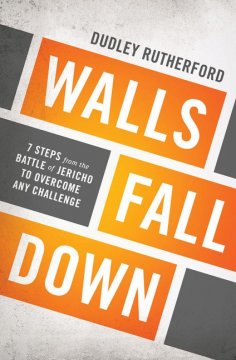
Review of the book, “Walls Fall Down” authored by Dudley Rutherford

_240_360_Book.1330.cover

In the first part of every chapter Rutherford adds fictional dialogue to the historical narrative of Joshua 6:1-20. I can’t begin to tell you how much I dislike this when people do it. It seems so presumptive. Many people won’t have a problem with this. It is just a personal preference with me. I understand for movies and other media it is common. I just personally don’t appreciate it. You really have to be careful that you don’t change the meaning of the word of God in so doing. It isn’t a risk I think is advisable. There are even some commentaries and study Bibles that have made a mess of the Bible and their authors are usually trained theologians.

I appreciate the concept in the first chapter to take the focus off of our problems and to seek after God’s greatness instead, but he takes it to a different place on page eleven. Rutherford writes, “God can and will make the walls fall down in your personal Jericho, and the first step in accomplishing this feat hinges upon your ability to grasp His greatness” I think he is contradicting Himself a bit here and sounding like a prosperity preacher. So I have to, “grasp His greatness” before God will make walls fall down? Throughout the book there looks like there is a lot of conditional statements. Granted there are some conditional statements in the Bible, but we have to remember that God is sovereign and will accomplish His will.

Rutherford says much that I can agree with on the trinity, omniscience, and omnipresence, of God. He also encourages us to read the Bible daily. Then on page 23 he has to scare me again with this kind of lingo, “This truth leads you to trust not only in His knowledge and wisdom but also in the strategy He has already prescribed for your victory. How awesome that we serve an omniscient God who is willing to share His knowledge with us so that we can conquer the impossible obstacles in our lives.” Now if he is talking about God conquering sin in our lives by the gospel than that would be great, but it doesn’t seem like that is what he means. There is a theme throughout the book that looks like Rutherford is saying that God will conquer every trial we have, oh and sin to. I don’t want to be unfair. He does attempt to make a distinction between the false prosperity gospel and the true gospel. He just comes off as a little of both in his terminology.

On page 42, in chapter two Rutherford makes a good point about God’s promises. When he says something is going to be, it is a certainty and we can and should act on it as a reality yet to be realized. He ties this in with Gods sovereign purposes for us as individuals. Throughout the Bible we can see where God has used people for certain purposes of His and we have purposes. God will use us as He has planned. Subsequently he starts laying out the notion of trusting in God’s plan for your life and how that will look. I agree with him here, when we believe something we behave as if it is true. If we trust God and His word we will behave accordingly.

He teaches tithing as in 10% and something Christians are supposed to do. This is not a true doctrine for Christians. According to the New Covenant we are to prayerfully consider how much to give and then do so with a joyful heart. Some people might be convinced to give 70%. Would you tell them that their obligation is only 10%? I don’t think so. Some people are very poor and are in debt. It would be irresponsible to tell them, “God wants His 10%”. The author missuses a few idioms. One that should have been caught by the editor was, “Shark invested waters” instead of, “shark infested waters.” He quotes Joyce Meyer, Rick Warren. He misapplies and incorrectly exegetes the story of Gideon to imply that it is better to have 300 committed men than thousands of self-serving ones. The text is obviously about God cutting the numbers down so that He gets the glory for winning the battle and not the army. The book isn’t very deep at all. Representative of most of the Christian books out there, a mile wide and an inch deep, like a puddle in a parking lot. He doesn’t endorse works righteousness. He tries to teach obedience to God relationally and God will bless you. I honestly don’t think he is trying to teach you to obey to get a blessing, although it would be very easy to take what he is saying that way. Read with caution; eat the meat throw out the bones. He keeps talking about victory, but over what? He takes until the end of the book to get around to it. I am still not sure of what I just read. Maybe instead of this read, “Crazy Love” by Francis Chan or, “The Holiness of God” by R. C. Sproul.

I received this book for free, and am not obligated to give it a positive review.

If you’d like to purchase this book here is a link on Amazon

Apologetics · Theology

Joseph Smith fixes the Bible and Mormons believe this guy?

100301sick_hat_joseph_smith


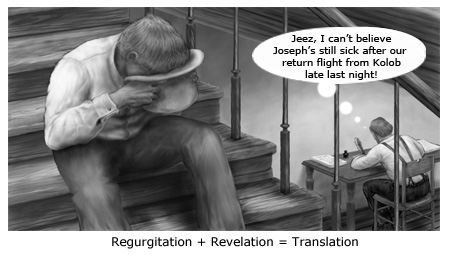
Hey kids! Me again, did you know that Joseph Smith, the false prophet who founded Mormonism, fixed the Bible for us to?  Don’t be surprised if you hadn’t heard.  It is a little publicized thing.  They like to say that they use the King James Version, but they don’t really believe it is accurate.  “8 We believe the Bible to be the word of God as far as it is translated correctly; we also believe the Book of Mormon to be the word of God.”

For not having the internet to look up Hebrew sources, for having to rely on hand copied manuscripts in the original languages and for not having discovered as many ancient manuscripts the old KJV translators did a pretty good job.  I wonder what happened to Joe Smith’s translation?  Well, I think we know.  By this time he had already gone on paper and proclaimed many false prophecies and new doctrines and once you’ve done that without studying the Bible you have to go back and change one or the other.  Can you guess which one he chose to change?  I’ll give you a hint, it rhymes with heretic, oh you caught me it doesn’t rhyme with heretic.  That’s right he changed the Bible!  What audacity!  Hadn’t he heard of the Septuagint?  Hadn’t he heard of the Dead Sea Scrolls?  Nope, the Dead Sea Scrolls weren’t dug up until the middle part of the last century, and apparently he didn’t even bother looking at the Septuagint, which was the Bible for the true Church as early as the 3rd century B.C.  The books we have in the Old Covenant were compiled and translated from Hebrew into Koine Greek, then later as the progressive revelation continued, the other books were added.  So this is the Bible the Church used and the Apostles quoted, but it wasn’t good enough for Joseph Smith!  Nope, he had to support all of his heresy.

So today I thought we would take a look at just a few differences in the Book of Genesis.  We will also look at the consequences.

Genesis 1:1 JST “And it came to pass, that the Lord spake unto Moses, saying, Behold, I reveal unto you concerning this heaven and this earth; write the words which I speak.”

Genesis 1:1 NASB “In the beginning God created the heavens and the earth.”

Hebrew Genesis 1:1 “בְּרֵאשִׁ֖ית בָּרָ֣א אֱלֹהִ֑ים אֵ֥ת הַשָּׁמַ֖יִם וְאֵ֥ת הָאָֽרֶץ׃” or bə-rê-šîṯ (In the beginning) bā-rā (created) ’ĕ-lō-hîm; (God) ’êṯ  haš-šā-ma-yim (the heavens) wə-’êṯ (and) hā-’ā-reṣ. (the earth)

And finally the KJV that J.S. didn’t think supported his false prophecies and doctrines enough so he just changed it to make it fit better.

Genesis 1:1 KJV “In the beginning God created the heaven and the earth.”

Can you see a difference yet?  Pretty obvious he didn’t use any manuscripts to translate from.  Matter of fact he didn’t even claim that he did.  Nope, he just studied the Bible and changed it the way he claimed it was revealed to him to change.  You read correctly, he used personal revelation as his means for rewriting the GOD’S WORD.  Remember, the Mormons claim the Bible is not translated correctly and that is why they can just disregard it when it doesn’t support their doctrine.   I would compare the first verse to the other translations, but there is no need to.  It doesn’t match at all.  Let’s see if it gets any better in the next few verses.

JST Genesis 1:2-8

“2 I am the Beginning and the End; the Almighty God. By mine Only Begotten I created these things.


3 Yea, in the beginning I created the heaven, and the earth upon which thou standest.


4 And the earth was without form, and void; and I caused darkness to come up upon the face of the deep.


5 And my Spirit moved upon the face of the waters, for I am God.


6 And I, God, said, Let there be light, and there was light.


7 And I, God, saw the light, and that light was good. And I, God, divided the light from the darkness.


8 And I, God, called the light day, and the darkness I called night. And this I did by the word of my power; and it was done as I spake. And the evening and the morning were the first day.”

And now the NASB

2The earth was formless and void, and darkness was over the surface of the deep, and the Spirit of God was moving over the surface of the waters. 3Then God said, “Let there be light”; and there was light. 4God saw that the light was good; and God separated the light from the darkness. 5God called the light day, and the darkness He called night. And there was evening and there was morning, one day.

6Then God said, “Let there be an expanse in the midst of the waters, and let it separate the waters from the waters.” 7God made the expanse, and separated the waters which were below the expanse from the waters which were above the expanse; and it was so. 8God called the expanse heaven. And there was evening and there was morning, a second day.

And the Hebrew,

וְהָאָ֗רֶץ הָיְתָ֥ה תֹ֙הוּ֙ וָבֹ֔הוּ וְחֹ֖שֶׁךְ עַל־פְּנֵ֣י תְהֹ֑ום וְר֣וּחַ אֱלֹהִ֔ים מְרַחֶ֖פֶת עַל־פְּנֵ֥י הַמָּֽיִם׃

Str Translit Hebrew English Morph
776 [e] wə-hā-’ā-reṣ, וְהָאָ֗רֶץ And the earth Noun
1961 [e] hā-yə-ṯāh הָיְתָ֥ה was Verb
8414 [e] ṯō-hū תֹ֙הוּ֙ without form Noun
922 [e] wā-ḇō-hū, וָבֹ֔הוּ and void Noun
2822 [e] wə-ḥō-šeḵ וְחֹ֖שֶׁךְ and darkness Noun
5921 [e] ‘al- עַל־ [was] on Prep
6440 [e] pə-nê פְּנֵ֣י the face Noun
8415 [e] ṯə-hō-wm; תְה֑וֹם of the deep Noun
7307 [e] wə-rū-aḥ וְר֣וּחַ And the Spirit Noun
430 [e] ’ĕ-lō-hîm, אֱלֹהִ֔ים of God Noun
7363 [e] mə-ra-ḥe-p̄eṯ מְרַחֶ֖פֶת moved Verb
5921 [e] ‘al- עַל־ on Prep
6440 [e] pə-nê פְּנֵ֥י the face Noun
4325 [e] ham-mā-yim. הַמָּֽיִם׃ of the waters Noun

וַיֹּ֥אמֶר אֱלֹהִ֖ים יְהִ֣י אֹ֑ור וַֽיְהִי־אֹֽור׃

559 [e] way-yō-mer וַיֹּ֥אמֶר And said Verb
430 [e] ’ĕ-lō-hîm אֱלֹהִ֖ים God Noun
1961 [e] yə-hî יְהִ֣י Let there be Verb
216 [e] ’ō-wr; א֑וֹר light Noun
1961 [e] way-hî- וַֽיְהִי־ and there was Verb
216 [e] ’ō-wr. אֽוֹר׃ light Noun

וַיַּ֧רְא אֱלֹהִ֛ים אֶת־הָאֹ֖ור כִּי־טֹ֑וב וַיַּבְדֵּ֣ל אֱלֹהִ֔ים בֵּ֥ין הָאֹ֖ור וּבֵ֥ין הַחֹֽשֶׁךְ׃

7200 [e] way-yar וַיַּ֧רְא and saw Verb
430 [e] ’ĕ-lō-hîm אֱלֹהִ֛ים God Noun
853 [e] ’eṯ- אֶת־ Acc
216 [e] hā-’ō-wr הָא֖וֹר the light Noun
3588 [e] kî- כִּי־ that Conj
2896 [e] ṭō-wḇ; ט֑וֹב [it was] good Adj
914 [e] way-yaḇ-dêl וַיַּבְדֵּ֣ל and divided Verb
430 [e] ’ĕ-lō-hîm, אֱלֹהִ֔ים God Noun
996 [e] bên בֵּ֥ין a space between Prep
216 [e] hā-’ō-wr הָא֖וֹר the light Noun
996 [e] ū-ḇên וּבֵ֥ין and between Prep
2822 [e] ha-ḥō-šeḵ. הַחֹֽשֶׁךְ׃ the darkness Noun

וַיִּקְרָ֨א אֱלֹהִ֤ים ׀ לָאֹור֙ יֹ֔ום וְלַחֹ֖שֶׁךְ קָ֣רָא לָ֑יְלָה וַֽיְהִי־עֶ֥רֶב וַֽיְהִי־בֹ֖קֶר יֹ֥ום אֶחָֽד׃ פ

7121 [e] way-yiq-rā וַיִּקְרָ֨א And called Verb
430 [e] ’ĕ-lō-hîm אֱלֹהִ֤ים ׀ God Noun
216 [e] lā-’ō-wr לָאוֹר֙ the light Noun
3117 [e] yō-wm, י֔וֹם Day Noun
2822 [e] wə-la-ḥō-šeḵ וְלַחֹ֖שֶׁךְ and the darkness Noun
7121 [e] qā-rā קָ֣רָא he called Verb
3915 [e] lā-yə-lāh; לָ֑יְלָה Night Noun
1961 [e] way-hî- וַֽיְהִי־ And were Verb
6153 [e] ‘e-reḇ עֶ֥רֶב the evening Noun
1961 [e] way-hî- וַֽיְהִי־ and Verb
1242 [e] ḇō-qer בֹ֖קֶר the morning Noun
3117 [e] yō-wm י֥וֹם day Noun
259 [e] ’e-ḥāḏ. אֶחָֽד׃ the first Adj
פ

וַיֹּ֣אמֶר אֱלֹהִ֔ים יְהִ֥י רָקִ֖יעַ בְּתֹ֣וךְ הַמָּ֑יִם וִיהִ֣י מַבְדִּ֔יל בֵּ֥ין מַ֖יִם לָמָֽיִם׃

559 [e] way-yō-mer וַיֹּ֣אמֶר And said Verb
430 [e] ’ĕ-lō-hîm, אֱלֹהִ֔ים God Noun
1961 [e] yə-hî יְהִ֥י Let there be Verb
7549 [e] rā-qî-a‘ רָקִ֖יעַ a firmament Noun
8432 [e] bə-ṯō-wḵ בְּת֣וֹךְ in the midst Noun
4325 [e] ham-mā-yim; הַמָּ֑יִם of the waters Noun
1961 [e] wî-hî וִיהִ֣י let Verb
914 [e] maḇ-dîl, מַבְדִּ֔יל it divide Verb
996 [e] bên בֵּ֥ין a space between Prep
4325 [e] ma-yim מַ֖יִם the waters Noun
4325 [e] lā-mā-yim. לָמָֽיִם׃ from the waters Noun

וַיַּ֣עַשׂ אֱלֹהִים֮ אֶת־הָרָקִיעַ֒ וַיַּבְדֵּ֗ל בֵּ֤ין הַמַּ֙יִם֙ אֲשֶׁר֙ מִתַּ֣חַת לָרָקִ֔יעַ וּבֵ֣ין הַמַּ֔יִם אֲשֶׁ֖ר מֵעַ֣ל לָרָקִ֑יעַ וַֽיְהִי־כֵֽן׃

6213 [e] way-ya-‘aś וַיַּ֣עַשׂ And made Verb
430 [e] ’ĕ-lō-hîm אֱלֹהִים֮ God Noun
853 [e] ’eṯ- אֶת־ Acc
7549 [e] hā-rā-qî-a‘ הָרָקִיעַ֒ the firmament Noun
914 [e] way-yaḇ-dêl, וַיַּבְדֵּ֗ל and divided Verb
996 [e] bên בֵּ֤ין a space between Prep
4325 [e] ham-ma-yim הַמַּ֙יִם֙ the waters Noun
834 [e] ’ă-šer אֲשֶׁר֙ which Prt
8478 [e] mit-ta-ḥaṯ מִתַּ֣חַת [were] under Noun
7549 [e] lā-rā-qî-a‘, לָרָקִ֔יעַ the firmament Noun
996 [e] ū-ḇên וּבֵ֣ין and from Prep
4325 [e] ham-ma-yim, הַמַּ֔יִם the waters Noun
834 [e] ’ă-šer אֲשֶׁ֖ר which Prt
5921 [e] mê-‘al מֵעַ֣ל [were] above Prep
7549 [e] lā-rā-qî-a‘; לָרָקִ֑יעַ the firmament Noun
1961 [e] way-hî- וַֽיְהִי־ and it was Verb
3651 [e] ḵên. כֵֽן׃ so Adj

וַיִּקְרָ֧א אֱלֹהִ֛ים לָֽרָקִ֖יעַ שָׁמָ֑יִם וַֽיְהִי־עֶ֥רֶב וַֽיְהִי־בֹ֖קֶר יֹ֥ום שֵׁנִֽי׃ פ

7121 [e] way-yiq-rā וַיִּקְרָ֧א And called Verb
430 [e] ’ĕ-lō-hîm אֱלֹהִ֛ים God Noun
7549 [e] lā-rā-qî-a‘ לָֽרָקִ֖יעַ the firmament Noun
8064 [e] šā-mā-yim; שָׁמָ֑יִם Heaven Noun
1961 [e] way-hî- וַֽיְהִי־ And were Verb
6153 [e] ‘e-reḇ עֶ֥רֶב the evening Noun
1961 [e] way-hî- וַֽיְהִי־ and Verb
1242 [e] ḇō-qer בֹ֖קֶר the morning Noun
3117 [e] yō-wm י֥וֹם day Noun
8145 [e] šê-nî. שֵׁנִֽי׃ the second Noun
פ


And now the KJV

1In the beginning God created the heaven and the earth. 2And the earth was without form, and void; and darkness [was] upon the face of the deep. And the Spirit of God moved upon the face of the waters.

The First Day: Light

3And God said, Let there be light: and there was light. 4And God saw the light, that [it was] good: and God divided the light from the darkness. 5And God called the light Day, and the darkness he called Night. And the evening and the morning were the first day.

The Second Day: Firmament

6And God said, Let there be a firmament in the midst of the waters, and let it divide the waters from the waters. 7And God made the firmament, and divided the waters which [were] under the firmament from the waters which [were] above the firmament: and it was so. 8And God called the firmament Heaven. And the evening and the morning were the second day.

So as you can see, he didn’t even care about staying true to what was originally delivered to us as the very Word of God.  He did violence to the word just like the enemy of God that he was.  If he was a true prophet of God his work would have been the same as the other works, but it isn’t.  These works, except the KJV predate the time when Joseph Smith says the apostasy happened.  Remember, the Mormons claim that after the death of the last Apostle the Church fell into complete apostasy, never mind all of the Christians who maintained their faith all over the world in the face of persecution and martyrdom.  He either didn’t know that these texts were out there or predated his claims that the Church was apostate or he didn’t care.  I think, he didn’t know.

So in verse 2 he lies and says that God said, “I am the Beginning and the End; the Almighty God. By mine Only Begotten I created these things.”  You might ask yourself, “What is so wrong with that?” Well you’d have to understand Mormonism a little bit to get why he did this.  You see Mormons believe that God the Father actually has a flesh and blood body and he is married to a Mother Goddess, who through copulation with him produced many offspring.  Two of them would be the Mormon Jesus and his brother Satan.  When he says, “by my only begotten I created these things.”  He means that Jesus reformed matter that was already in existence.  He shaped into what he wanted to make.  If you notice J.S. rewrote Genesis to make it look like God was saying all these things directly to Moses.  This is to support their book of Moses which is completely fiction.

It really starts to get weird in chapter three.  There we see Satan and Jesus arguing over who gets to redeem mankind and protect his free agency?  I’m not making this garbage up.  You can read it for yourselves;

Genesis CHAPTER 3 JST

Rebellion of Satan — Man’s agency, temptation and fall.

1 And I, the Lord God, spake unto Moses, saying, That Satan whom thou hast commanded in the name of mine Only Begotten, is the same which was from the beginning;

2 And he came before me, saying, Behold I, send me, I will be thy Son, and I will redeem all mankind, that one soul shall not be lost, and surely I will do it; wherefore, give me thine honor.

3 But behold, my beloved Son, which was my beloved and chosen from the beginning, said unto me: Father, thy will be done, and the glory be thine forever.

4 Wherefore, because that Satan rebelled against me, and sought to destroy the agency of man, which I, the Lord God, had given him; and also that I should give unto him mine own power; by the power of mine Only Begotten I caused that he should be cast down; and he became Satan.

5 Yea, even the devil, the father of all lies, to deceive, and to blind men, and to lead them captive at his will, even as many as would not hearken unto my voice.

6 And now, the serpent was more subtle than any beast of the field, which I, the Lord God, had made.

7 And Satan put it into the heart of the serpent, for he had drawn away many after him; and he sought also to beguile Eve, for he knew not the mind of God; wherefore, he sought to destroy the world.

I know, right!?  What the what!?  Here is the real word of God;

1Now the serpent was more crafty than any beast of the field which the LORD God had made. And he said to the woman, “Indeed, has God said, ‘You shall not eat from any tree of the garden’?” 2The woman said to the serpent, “From the fruit of the trees of the garden we may eat; 3but from the fruit of the tree which is in the middle of the garden, God has said, ‘You shall not eat from it or touch it, or you will die.'” 4The serpent said to the woman, “You surely will not die! 5“For God knows that in the day you eat from it your eyes will be opened, and you will be like God, knowing good and evil.” 6When the woman saw that the tree was good for food, and that it was a delight to the eyes, and that the tree was desirable to make [one] wise, she took from its fruit and ate; and she gave also to her husband with her, and he ate. 7Then the eyes of both of them were opened, and they knew that they were naked; and they sewed fig leaves together and made themselves loin coverings.

There are so many changes it is hard to know where to start.  If I had more ambition I’d attack his abuse of the book of Isaiah.  Comparing it to the entire book of Isaiah recovered from the Dead Sea Scrolls would be fun, but lots of work.  For now, I will leave you with this to ponder, why would a true prophet of God make so many false prophecies and contradict the Bible so often he would have to write his own to support it?  Why would you want to believe that God was once a man who through Mormonism became an exalted man then eventually a god who only re-ordered matter to make things?  Why would you not worship the one true God who has never been made because he always existed?  He was never a sinful man like the Mormon god once was.  The true God made everything from nothing.  He transcends all other things.  The Mormon god is subject to the gods that sired him and they are subject to the ones who sired them and so on and on back eternally.  Does that sound like the one true God, worthy of worship to you?

Apologetics · Theology

Taking Requests!

Hello, If anyone out there in the Christian blogosphere would like to read an article on X topic, (where X is a variable that represents your suggested topic.) write  a comment on this post with your request.  Who knows, maybe I’ll know something about it or it will cause me to learn something new.  Either way it is a win win.

marriage · Uncategorized

Here in Idaho the gays are being very hypocritical against Butch Otter and all of us poor breeders.

Homosexual hypocrites and their supporters are no different than the people they hate.


All the so called poor persecuted sure are putting out some hateful, bigoted, intolerant, rants against Butch Otter. Haters be hatin’ funny, as long as they are doing the name calling it’s ok, but say anything against their personal brand of sin and they get all bent. Guess what kids, we are all sinners and it is NOT ok. We need to repent and put our faith in Christ. Sexual sin is just as bad when a straight person does it. That doesn’t make it right. Just because it is something you can’t change about yourself doesn’t make it right. God changes us. We don’t do it by force of will. If you don’t get that I guess that is your answer as to why. If you could understand repentance and faith you would. I was born a sinner. We all are. Your pet sin needs to be repented of regardless of what it is, whether it is adultery, fornication, porn, lying, hatred, or any other sin your wicked little heart can think of. There is no such thing as a God ordained gay marriage. The government and the people can do what they want. If they vote it in, fine. Just stop hating on us poor breeders for voting our consciences that are in keeping with our worldview.  Here is just one example http://www.boiseweekly.com/CityDesk/archives/2014/05/17/boise-state-public-radio-idaho-brewery-announces-little-bitch-otter-beer

Church · Theology

Pragmatism is a lack of faith.

Pragmatism is a lack of faith.


Pragmatism is a lack of faith. It stands in opposition to faith. Pragmatism is defined by Dictionary.com as;

noun

1. character or conduct that emphasizes practicality.

2. a philosophical movement or system having various forms, but generally stressing practical consequences as constituting the essential criterion in determining meaning, truth, or value.

Here is another definition from World English Dictionary;

1. action or policy dictated by consideration of the immediate practical consequences rather than by theory or dogma.

2. Philosophy

a. the doctrine that the content of a concept consists only in its practical applicability

b. See also instrumentalism the doctrine that truth consists not in correspondence with the facts but in successful coherence with experience.

A pragmatic person relies on their experiences when making decision. Some may argue that you can be a pragmatic Christian even. They might assert that someone who has exercised faith and experienced the results of that faith and then came to trust it would be a pragmatist. The problem with that line of thinking is that the person had to have faith to make the unreasonable decision in the first place.

What is faith? Dictionary.com defines faith as;

noun

1. confidence or trust in a person or thing: faith in another’s ability.

2. belief that is not based on proof: He had faith that the hypothesis would be substantiated by fact.

3. belief in God or in the doctrines or teachings of religion: the firm faith of the Pilgrims.

4. belief in anything, as a code of ethics, standards of merit, etc.: to be of the same faith with someone concerning honesty.

5. a system of religious belief: the Christian faith; the Jewish faith.

6. the obligation of loyalty or fidelity to a person, promise, engagement, etc.: Failure to appear would be breaking faith.

7. the observance of this obligation; fidelity to one’s promise, oath, allegiance, etc.: He was the only one who proved his faith during our recent troubles.

8. Christian Theology. the trust in God and in His promises as made through Christ and the Scriptures by which humans are justified or saved.


pragmatismfaith


In this instance we are looking at faith as the ability to make decisions based on what the Bible says about God, and life regardless of how our worldly knowledge would inform us. For instance, it seems wrong to the worldly to give to others selflessly when you see them in need. The pragmatist would only give what little he could spare, and he would only do so because his conscience was bothering him, or he wanted to look charitable in the eyes of his neighbors.

Pragmatism is a big problem in the church today. I’m sure it has always been a problem in the church. We recently were part of a church split over unrepentant pragmatism. I will make the example generic. Our old Pastor retired after many years at our church. The church board hired another Pastor only to find out that his political leanings were in opposition to the majority of ours. He was orthodox in the Primary Articles of Faith. After five months the board voted to ask for his resignation. One of the reasons they gave was that the older people in the church had all of the money, and that they would leave if he didn’t. The board was afraid of losing money instead of doing what is right. They acted pragmatically. God is the source of all wealth. They didn’t operate in the realm of faith. If they had, they would have been able to see God work in the situation, and have been strengthened by it. Instead they shorted themselves and lost an opportunity. This is only one example of pragmatism in the church.

Another I can think of off the top of my head is church growth. Many Pastors fall into the thinking that they need a large congregation with lots of resources so they can accomplish their goals in ministry. They might even follow the model of entertaining goats instead of shepherding sheep. All you have to do to see this is to turn on the television and watch a Sunday sermon.

I know that it is very difficult for a person to let go of their own reasoning and have faith. I used to beat myself up because I couldn’t let God have control over my money. I thought it was ridiculous that I could trust Him with my salvation, but not with my cash. I’m not saying to tithe like in the Old Testament.  I’m not even talking about money here. This was my pragmatism shining through. I didn’t have the faith to surrender my worldly pragmatism to Him.

There are many areas of our lives where we operate out of pragmatism instead of faith.   If you think about your own life you should be able to see where you have operated from a stance of pragmatism. I encourage you all to examine yourselves for pragmatism, and ask God to forgive you. Ask Him to grant you faith to do all that is in His word. Pragmatism puts us and our reasoning on the throne instead of God. Faith is trusting God, and His word enough to live our lives based on them. Our only hope is that God will grant us that kind of faith.

Apologetics · Church · Theology

I’m a mormon now! Yep, just call me LDS.

     I’ve decided to be a mormon now. I am LDS. I don’t believe Joseph Smith was a prophet. I don’t believe the book of mormon. I don’t believe that I need to be baptized into the mormon cult. I don’t believe that God was once just a man.  I don’t believe that Jesus and satan are brothers.  I believe in the Triune God of the Bible. I believe in His word, the Bible, as being infallible and inerrant.  I believe that the 2nd person of the Trinity, Jesus Christ, is God incarnate, and that He lived a perfectly sinless life, obeying all the laws to earn righteousness.  I believe He obeyed the will of the 1st person of the Trinity, God the Father, and went up on a cross to bear the sins of all who would be saved.  Their debt was imputed to Him, and His righteousness was imputed to them, so that they could be justified in the sight of God, thus glorifying God through the salvation of sinners.  I believe that God, being just, will pour out His wrath on those who have not been granted repenctance and faith.  He will be glorified in the damnation of sinners, by demonstrating His justice.

     So as you can see, I’m not really mormon.  I talked with a mormon man yesterday.  He insisted he was a Christian.  I asked him, “Are you a Baptist?”  He said, “No, I’m a mormon.”  I said, “Then you are NOT A CHRISTIAN!!!” 
nochristian
He looked very perplexed.  He didn’t understand why I was so offended.  I think he believed he was the one who should be offended.  I explained to him, “If you are a Christian then I am LDS.”  Then I told him the things that I mentioned previously in the first paragraph of this article.  To which he uttered a firm, “You can’t be a mormon if you don’t get baptized into the church!”  I then said, “Exaclty my point.  Thank you.  So then, ipso facto you are not a Christian.”  I was going to explain that if there are in fact, doctrines that make one mormon or not, then there are also doctrines that must be affirmed by a believer to verify that they are Christian, but alas the lad stormed off in a huff.

     So my mormon friends, I emplore you, please stop telling your people to declare, “I’m a Christian!”  When in fact they are not.  If you are so pleased with being LDS, just declare that you are LDS, but don’t insult, and offend me by blaspheming the one true God, whom I, and all true Christians serve.  We are not fooled, and neither is God.  Truly, we find it quite disturbing that you would consider them to be compatible, and obviously, so do you when confronted with the doctrinal differences.

Apologetics · Theology

Young Earther and Proud.

earth


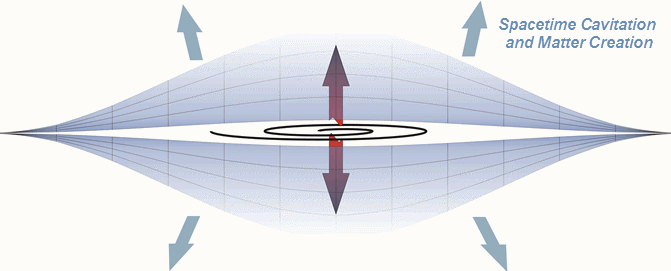
The Earth simply is not as old as scientist think it is.  I don’t fall in to the thinking of, “it was created with the appearance of age.”  I think the time/space distortion of creation best explains the concept, that from our point of view looking back at the point of origin it seems to be and for some purposes is old, but looking out from the point of origin it has only been 6000 +or -.   We can not perceive time the way God does.  He made time.  He is not subject to it.  It is subject to Him and so is space.  If you move a prop through water it causes cavitation which is a distortion.  inside the distortion sound travels at a different rate than it does outside the distortion.  This is a bad analogy, but you get the idea.  cavitation-matter-creation

The creation and placing of things at a rate faster than the speed of light causes distortions with time and space.  I agree with the Bible that the Earth is young.  We just think it is older looking from our point of view.  Kind of like the jog wheel on a VCR playing a video of the life of a tree.  The seed is not, it is, it is a sapling, it is a tree, it is a house, it is not, all in one instance to God.  We are very linear minded beings.  His ways are higher than ours.  For us to doubt His word because we don’t get it is wrong.

Theology

Omnipresent

Omnipresent, is the quality of being present in all places.  God is omnipresent.  God is the creator of everything.  He keeps everything from being destroyed.  He makes the natural laws that we rely on to make sense of our world.  Not only does He make those laws, He also keeps them enforce.  God exists independent of the creation.  Time and space are part of the His creation.  He is not.

God is not, some unconscious universal force that permeates everything like what the pantheists believe.  His presence is not, limited to any one time or space.  He can specifically reveal Himself during a time, in a specific location, without ceasing to exist above all time and space.

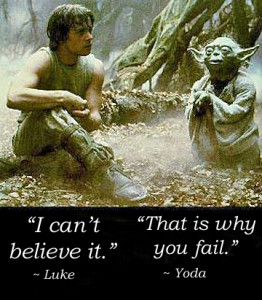
Here is something we have heard Christians say from time to time, “Yeah man, like… God is everywhere…  He is in the trees, the rocks, the water, and in us.”   This in something a pantheist would say.  We as Christians are not pantheists.  A pantheist believes that God is literally permeating everything, and that everything, collectively is God.  Kind of like the force from Star Wars.

star-wars-yoda-luke-that-is-why-you-fail

God is present in all places, even Hell.  He will pour out His wrath on sinners in Hell for all eternity.  God is present to the person in the deepest, darkest, cave in the most remote mountains.  He is present to the drowning person in the ocean.  He is present, not because He is in them, and they are collectively Him, but rather He is above all things, in all things, and outside of them.  It speaks to His sovereign will.  He is present as a matter of His will, not due to it being in bondage to the creation, but because of His lordship over it.

Don’t be confused by what I just said.  “How can God be outside of creation and in it at the same time?” you ask.  In the sense that He is not bound by His creation, or subject to it, He transcends it.  This is what is meant by He is outside of it.  Of course to be everywhere He would need to be, well… everywhere, and He is.  It is that He is sovereign, and transcendent.  I hope this makes it clear

Uncategorized

Omniscience

092811_attribute_omniscient

Omniscience is the quality of having all knowledge.  The word comes from two words, “omni” meaning, “all” and, “science” meaning, “knowledge.”  In the Christian faith we believe God to be omniscient.  He is the creator of all things.  This includes knowledge.  Whatever can be known by man is only knowable because God has created it and given revelation of it to us, as well as the ability to perceive it and understand it.  There is nothing that God does not know.  This includes all things past, present, and future.

Some people don’t like the idea of an, “all-knowing God.”  This idea threatens their sense of self-originating will and free agency.  The idea, that God knows who will be saved, and who will not be saved, before He creates them, seems to them to be an offense.  They object on the basis of God’s love.  They say, “If God is love He wouldn’t make a man knowing he was destined to Hell.”  What they miss is that all men since the fall are destined for Hell.  We don’t deserve anything good.  We deserve death, and Hell.  This simple truth escapes them.  They don’t see man as depraved sinners, corrupted through and through by sin.

I however, should take comfort in the omniscience of a sovereign and eternal God.  The fact that He knows everything gives me great peace.  I can trust Him in His complete, perfect knowledge.  He, knowing everything and ordaining all things by His will, comforts me.  I can sit by and not worry, because in Him is the primacy of His will and deity which by His nature is goodness and love for those that are in Him.