Church · Uncategorized

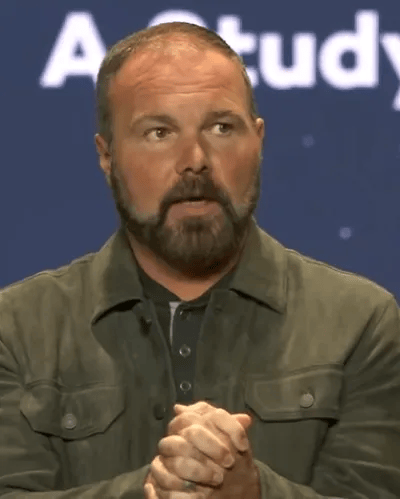
Mark Driscoll: A Man Disqualified from the Preaching Eldership

Mark Driscoll: A Man Disqualified from the Preaching Eldership

I’ve been sitting here at my desk, thinking about the state of the church today. We live in an age where the loudest voice in the room is often mistaken for the most anointed. But friends, the Word of God doesn’t give us a metric for “success” based on how many people you can pack into a building or how many books you can land on a bestseller list. It gives us a metric for qualifications.
I’m talking today about Mark Driscoll. He’s a man who has had more influence than most, starting Mars Hill in Seattle back in 1996 and growing it into a massive multi-state operation before his eventual resignation. He’s now settled in at Trinity Church in Scottsdale. But when we look at the life, the ministry, and the recurring patterns of this man, we have to hold him up to the light of Scripture. And let me tell you, when you hold a man up to 1 Timothy 3 and Titus 1, the picture isn’t pretty.
A Pattern of Domineering and Abusive Leadership
The Apostle Paul is clear: an elder must be “not violent, not quarrelsome, not quick-tempered” (1 Tim 3:2-3) and “not arrogant, not quick-tempered” (Titus 1:7). These aren’t suggestions. These are the basic requirements for a man who bears the name of Christ before the congregation.
For years, men who worked right alongside Driscoll saw something very different.
In September 2013, a former elder filed formal charges alleging that Driscoll was “domineering, verbally violent, arrogant, and quick-tempered.”
By August 2014, twenty-one former pastors filed formal charges regarding “abusive and intimidating conduct” and a “culture of fear” instead of a healthy church.
Even his own friend, Paul Tripp, described the environment as “without a doubt, the most abusive, coercive ministry culture I’ve ever been involved with.”
Even after his own elders conducted a massive 1,000-hour investigation in 2014, they didn’t find “heresy” in the legal sense, but they found something just as disqualifying: a man guilty of arrogance, harsh speech, and a domineering leadership style that bullied those under his authority. He had restructured his church bylaws back in 2007 to ensure he had “yes-men” who wouldn’t question his decisions. That is not how a shepherd acts. That is how a CEO of a secular corporation acts.
Financial and Intellectual Dishonesty
An elder must be “above reproach” (1 Tim 3:2). Integrity isn’t just about avoiding a scandal; it’s about being honest in how you do the work of the ministry.
The Bestseller Scheme: In 2014, it came to light that Mars Hill paid a marketing firm about $210,000 of church money to buy 11,000 copies of his book “Real Marriage” just to land it on the New York Times bestseller list. Even the Evangelical Council for Financial Accountability (ECFA) noted this violated ethical standards. It’s a lie, plain and simple.
Plagiarism: In 2013, allegations surfaced that he had lifted large sections of material from other authors without citation. Plagiarism experts confirmed he had not adequately credited his sources. A man who claims to be a teacher of the Word needs to be diligent and honest. Using ghostwriters and unattributed work isn’t just lazy; it’s deceptive.
Vulgarity and a Lack of Self-Control
The tongue is a fire (James 3:6). If a man cannot control his speech, he has no business standing behind a pulpit.
For years, Driscoll has been known as the “cussing pastor.” We have his old, pseudonymous “William Wallace II” blog posts full of vulgar, misogynistic, and homophobic rants. He has used his pulpit and his books to make crude comments about marriage and women that would make a sailor blush, much less a Christian elder. Even as recently as 2024, at the Stronger Men’s Conference, he was reported to have created a scene, publicly slamming a performer and causing a disruption that led other leaders to threaten to cut ties. This is not the conduct of a sober-minded man.
Divisive Teaching and Political Entanglements
If you want to know what a man truly believes, don’t look at his stage presence, look at his doctrine. Driscoll has frequently defined himself against historic, confessional Reformed orthodoxy. He’s rejected limited atonement, he’s called the Five Points of Calvinism “garbage,” and he’s flirted with bizarre notions about Christian nationalism, claiming critiques of that movement are “rooted in Satan.” He has even claimed to be slated for political events that organizers later denied he was ever invited to. Whether it’s vanity or a desire for relevance, this isn’t the behavior of a man grounded in the quiet, steady truth of the Gospel. (To be fair, these doctrinal positions are not formal “heresies” in the technical sense, but they show a man defining himself against orthodoxy, which is its own warning sign.)
Where Is the Repentance?
The saddest part of this whole saga is the lack of genuine restoration. In 2014, the Acts 29 network, which he founded, removed him, calling his behavior “ungodly and disqualifying,” and urged him to step down and seek help.
Did he? The evidence says no. In 2021, forty-one former elders signed a letter calling for him to resign from his current post because the patterns of abuse and behavioral concerns had continued. If a man hasn’t changed after two decades of being told his behavior is destroying those around him, when will he? There have even been allegations, and here we must be honest that these are only allegations, not established fact, that he runs his current ministry with a culture of 24/7 surveillance.
Guarding the Office
Brothers and sisters, why does this matter? Because the office of the elder is a sacred trust. It is not a platform for an ego. It is a humble calling to wash the feet of the saints and feed them with the pure milk of the Word.
A man who is arrogant, quick-tempered, and deceptive is disqualified. Period. The Scripture is not a suggestion box. When we allow men like this to continue in ministry without genuine, long-term, fruit-bearing repentance, we are spitting on the requirements set forth by the Holy Spirit.
The Gospel is not about a comeback tour. It is about a broken heart before a holy God. If you are sitting in a church where the “pastor” looks more like a celebrity than a servant, run to your Bible. Does he meet the standards of 1 Timothy 3? Does he love the sheep, or does he love the spotlight?
True repentance leads to a quiet life, a humble walk, and a heart that fears God more than the opinion of the world. Let us pray for the church, that we might once again prioritize the character of our leaders over the charisma of their delivery. And let us ourselves strive to be the men God calls us to be: humble, sober, and above reproach. There is a reason I’ve never reached for the office of elder. I don’t see that I am qualified biblically, and that is fine. Most of us are not. Don’t try to be a famous Christian. Extol Christ, and be a humble servant who lives a quiet life.

Uncategorized

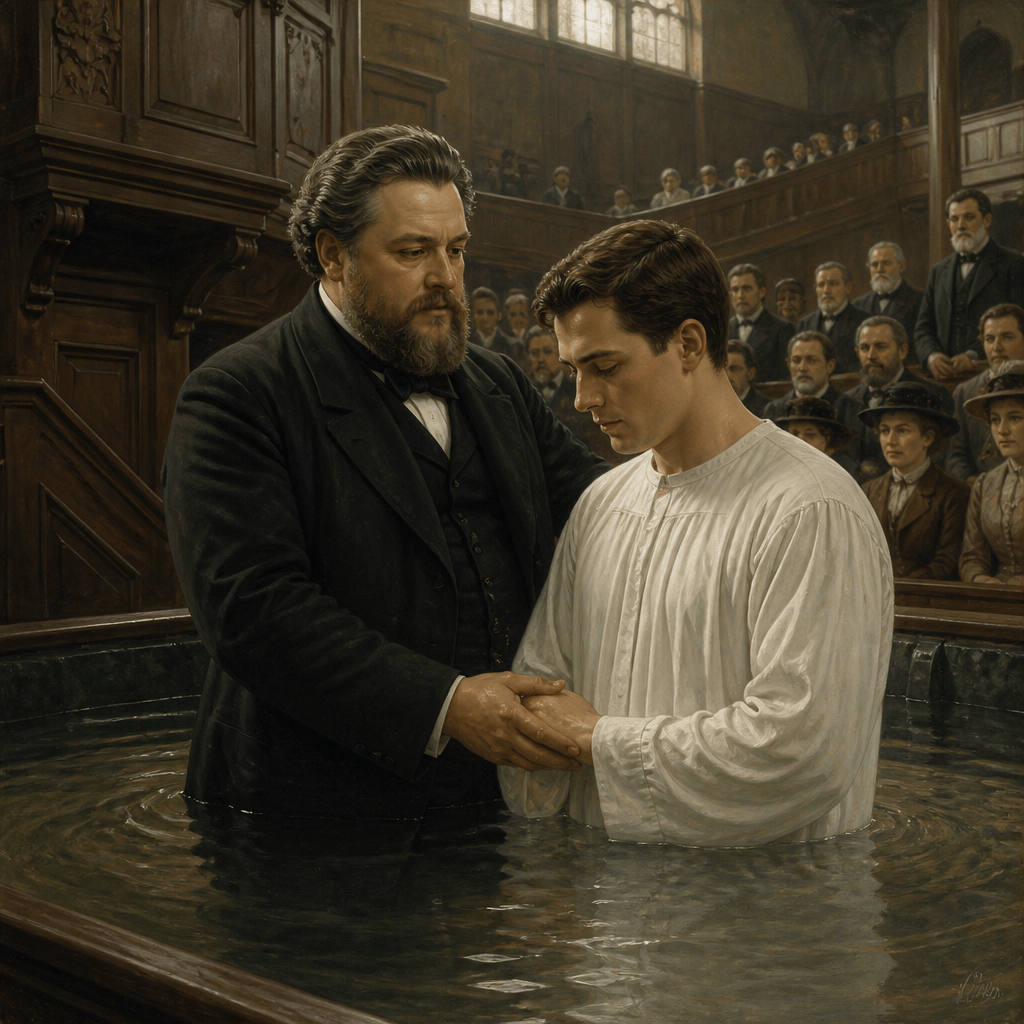
Why Baptism Is a Symbol, Not a Savior

Some folks love to twist the clear teaching of Scripture. They want to make baptism into some kind of magical water ritual that cleanses the soul. I have seen this error creep into too many churches. It is high time we look at the Word of God and stop elevating tradition above the text.
If you read the Bible plainly, without trying to manufacture a theology that saves you through wetness, you will see the truth. We are saved by grace through faith. Period.
The Strongest Argument: The Case of Cornelius
If you want to see the error of baptismal regeneration, look straight at Acts 10. This is the moment where the Holy Spirit falls on the Gentiles. Peter is preaching the Gospel. While he is still speaking, the Holy Spirit falls on everyone listening.
Acts 10:44 says, “While Peter was still speaking these words, the Holy Spirit fell upon all those who were listening to the message.”
Now, stop right there. Does the Holy Spirit fall on lost, unregenerate people? No. To have the Spirit is to be born again. To have the Spirit is to be united to Christ. Peter recognizes this immediately. He sees that they have the Spirit. They are already saved. Then, he commands that they be baptized.
If baptism were the means of regeneration, the sequence would be backward. Cornelius would have been sitting in his chair waiting for Peter to dunk him so he could finally get saved. But he did not. He got the Spirit first because he heard the truth and believed. The baptism was just the follow-up. It was the public verification of a reality that had already taken place.
The Apostle Paul’s Mission
Look at what Paul says in 1 Corinthians 1:14-17. He is writing to a church that is acting like a pack of fools, bickering over who baptized them. Paul thanks God that he baptized almost none of them.
Think about that. If baptism were the instrument of salvation, being the actual pipe through which the grace of God flows into your soul, Paul would have been baptizing everyone in sight. He would have been a baptism machine. Instead, he says he is glad he did not baptize them because he did not want anyone to boast. He says his call was to preach the Gospel.
You cannot preach the Gospel and say that the ritual of baptism is the means of your salvation. It is either the finished work of Christ on the cross, or it is the water. It cannot be both. Paul knew that the Gospel is the power of God for salvation, not the water of the baptistery.
Belief Precedes Baptism
Let us look at Acts 8:12. It says, “But when they believed Philip preaching the good news about the kingdom of God and the name of Jesus Christ, they were being baptized, men and women alike.”
Notice the order. It is crucial. They believed first. They accepted the truth of the Gospel. Then, and only then, did they get baptized. If baptism were the thing that made you a Christian, Philip would have had to drag them into the water before they understood anything. But that is not what the text says. Belief comes first. That is credobaptism. You believe, then you obey the command to be baptized.
The Thief on the Cross
Think about the thief on the cross. He was dying next to our Savior. He could not move. He could not get to a river. He could not perform any works of religion. But he looked at Jesus and trusted Him. And Jesus told him, “Truly I say to you, today you shall be with Me in Paradise” (Luke 23:43).
That man was not baptized. If he was saved without baptism, then baptism cannot be a requirement for salvation. It is just that simple.
Stop Confusing the Sign with the Reality
We are living in a time where people want to feel like they are doing something to earn God’s favor. They like the ritual. It makes them feel pious. But God does not want your rituals if you do not have a heart that has been transformed by faith in His Son. Romans 3:28 is clear: “For we maintain that a man is justified by faith apart from works of the Law.”
A wedding ring is a symbol of marriage, but the ring does not make you married. The vows do. Baptism is the sign of the believer, but the act of dipping in the water does not make you a believer. Faith in the finished work of Christ does that.
Go back to the Word. Stop listening to the theologians who want to complicate the simple Gospel. Believe on the Lord Jesus Christ and you will be saved. Everything else follows after.
Scripture References
Acts 10:44 (LSB): “While Peter was still speaking these words, the Holy Spirit fell upon all those who were listening to the message.”
Acts 10:47-48 (LSB): “Surely no one can refuse the water for these to be baptized who have received the Holy Spirit just as we did, can he? And he ordered them to be baptized in the name of Jesus Christ.”
1 Corinthians 1:17 (LSB): “For Christ did not send me to baptize, but to preach the gospel, not in cleverness of speech, so that the cross of Christ would not be made void.”
Acts 8:12 (LSB): “But when they believed Philip preaching the good news about the kingdom of God and the name of Jesus Christ, they were being baptized, men and women alike.”
Luke 23:43 (LSB): “And He said to him, ‘Truly I say to you, today you shall be with Me in Paradise.’”
Romans 3:28 (LSB): “For we maintain that a man is justified by faith apart from works of the Law.”

Uncategorized

Young Washington

It is the 4th of July, 2026. My wife, and I just enjoyed the movie, “Young Washington.” The theater was packed full of people. We all enjoyed the movie. The applause after the film were genuine. We appreciated being respected by the people who made the movie. It reflected our values, and patriotism, on such a wonderful summer day. It was good to consider how difficult it must have been to struggle through the birth of a nation as attested by one our great leaders beginnings. I encourage you all to go see this film. Send a strong message to Hollywood that we don’t need them. We don’t want them. We hate the, “message.” We will make our own movies. I encourage you to all go see this instead of the leftist slop that is out, or coming out. https://youtu.be/LJek-kc384w?si=EEvXquQiRYXcORo9

Bible study · cultural · Uncategorized

How Ignorance of God Leads to Moral Decay.

Hosea 4:6 (LSB): “My people are destroyed for lack of knowledge. Because you have rejected knowledge, I also will reject you from ministering as My priest. Since you have forgotten the law of your God, I also will forget your children.”

Historical Context and Meaning for God’s People Then (Ancient Israel)

Hosea prophesied in the northern kingdom of Israel (Ephraim) during a time of outward prosperity under King Jeroboam II, but deep spiritual and moral decay. The chapter opens with God’s “charge” or lawsuit against the land: “There is no truth or mercy or knowledge of God in the land” (Hosea 4:1). This led to rampant sin—swearing, lying, killing, stealing, adultery, and breaking all restraint (v. 2)—with creation itself suffering as a result (v. 3).

The priests, who were responsible for teaching God’s law (see Deuteronomy 33:10; Malachi 2:7), had rejected knowledge of Yahweh and His Torah (law/instruction). Instead of leading the people in covenant faithfulness, they profited from the people’s sins (e.g., eating sin offerings) and participated in or tolerated idolatry, which the prophets often describe as spiritual “harlotry” or adultery against God (Hosea 4:10-14).

Consequences:

  • Destruction of the people (judgment, exile).
  • Rejection of the priests from their role.
  • Forgetting of their children (generational impact).

The “knowledge” here is not mere intellectual facts but relational, covenantal knowledge of God—acknowledging Him as Lord, loving Him, obeying His law, and living with truth, mercy (hesed), and restraint. Rejecting it meant breaking the covenant, leading to societal collapse. This was part of the broader pattern that culminated in Israel’s fall to Assyria in 722 BC.

Relevance for the People of God Now

The principle remains highly relevant for God’s people today—both the church (as the new covenant people of God) and, in a broader sense, any who claim allegiance to Him. While the immediate context was Israel’s priesthood and national covenant, the New Testament applies similar warnings to believers (e.g., parallels in Romans 1, where suppressing knowledge of God leads to moral chaos).

Today, “lack of knowledge” often manifests as:

  • Neglect of Scripture and sound doctrine in favor of feelings, culture, or superficial spirituality.
  • Rejection of God’s revealed truth (in creation, conscience, and the Bible) in churches, families, and Christian institutions.
  • Leaders (pastors, teachers) who fail to teach the full counsel of God, sometimes accommodating or profiting from cultural sins.

The result is the same: God’s people are “destroyed” (spiritually weakened, ineffective, or facing discipline/judgment) not primarily by external enemies but by internal ignorance and rejection of truth. Generational consequences follow as children inherit a diluted or false version of faith. This is not about earning salvation but about the fruit of covenant relationship—knowing God leads to holiness, while rejecting knowledge leads to ruin.

How Ignorance of God’s Truth Leads to Lawlessness and Perversion

Hosea 4 vividly illustrates the progression: No knowledge of God → no truth or mercy → no restraint → lawlessness, bloodshed, sexual perversion (including ritual prostitution tied to idolatry), family breakdown, and even environmental decay.

When people (and leaders) suppress or reject the knowledge of God:

  • Moral compass is lost: Without the fear of the Lord and His standards, “everyone does what is right in his own eyes.” This produces the very sins listed—deception, violence, adultery, and idolatry.
  • Perversion flourishes: Idolatry (worshipping created things or self) and sexual immorality are linked. Romans 1 echoes this: Exchanging truth for a lie leads to dishonorable passions and a “debased mind” that approves what is evil.
  • Society unravels: Lawlessness abounds because there is no objective foundation for justice, mercy, or self-control. The “spirit of harlotry” (unfaithfulness) spreads across generations. We see modern parallels in cultural rejection of biblical sexuality, truth, and authority, resulting in confusion, exploitation, family erosion, and normalized wickedness.

Ignorance here is often willful (“rejected knowledge,” “forgotten the law”). It is not innocent lack but active suppression, leading to strong delusion and societal destruction.

The Solution

The solution is repentance and return to the knowledge of God:

  1. Seek and acknowledge God: Turn from idols (modern equivalents: self, pleasure, power, ideology) back to the true God revealed in Scripture and supremely in Jesus Christ (Hosea 6:1-3 urges, “Come, let us return to the LORD”).
  2. Renew knowledge of God’s Word: Pastors and believers must prioritize teaching and obeying the law/gospel. This includes sound doctrine, catechism, and applying truth to life. Knowledge of God transforms conduct.
  3. Covenant faithfulness: Live in truth, mercy, and holiness. For Christians, this means union with Christ by faith, empowered by the Holy Spirit to walk in obedience.
  4. Generational transmission: Teach children diligently (Deuteronomy 6) so they are not “forgotten.”

God’s grace is central—Hosea’s own story (marrying an unfaithful wife and redeeming her) pictures God’s pursuing love. He judges to restore, not merely to destroy. The ultimate solution is the gospel: Christ, who perfectly knew and obeyed God, takes the destruction we deserve so we can know God truly (John 17:3).

In summary, Hosea 4:6 calls God’s people across eras to guard the knowledge of God as life itself. Neglect it, and lawlessness follows; embrace it, and there is restoration, fruitfulness, and hope.

Uncategorized

Islam Versus Christianity

Symmetrical scene depicting shared heritage and coexistence between different religious traditions and architectures.

Islam Versus Christianity: Doctrines, History, and the Foundations of Civilization

The question of which religion can serve as the ideological bedrock for a civilized nation requires unflinching scrutiny of primary texts and the historical record they produced. A civilized nation upholds equal rights under law, safeguards individual conscience, rejects slavery and ritual violence, and promotes human flourishing through ordered liberty rather than perpetual conquest. Examination of Islam and Christianity reveals a profound divergence. Islam’s canonical sources and fourteen centuries of consistent application render it incompatible with these pillars. Christianity, though marred by human failings, supplies the moral and textual framework that made the West’s civilizational achievements possible.

Islam’s core texts enshrine violence, subjugation, and atrocity as sacred obligations. The Quran and Sahih Hadith collections mandate offensive jihad against non-Muslims, the sexual exploitation of captives, and execution for apostates. Quran 9:5 commands Muslims to slay polytheists wherever they are found once the sacred months have passed, unless the targets convert. Quran 9:29 directs fighting People of the Book until they pay the jizyah in a state of humiliation. Quran 4:24, 23:5-6, and 33:50 explicitly permit sexual relations with women and children seized as war booty, labeling them “what your right hands possess.” Sahih Bukhari records Muhammad leading twenty-seven military expeditions, ordering the execution of critics, and distributing female and child captives as concubines after raids such as those against the Banu Qurayza and Khaybar. Classical jurists across all four Sunni schools codified these rulings as eternal law, not historical artifacts.

These doctrines found direct expression in historical practice. Muslim chroniclers such as al-Tabari, Ibn Ishaq, and Imad al-Din documented the results with pride. During the Crusades period, Zengi’s 1144 conquest of Edessa produced the mass slaughter of Christian Franks and the enslavement of thousands of women and children for rape and sale. After Saladin’s victory at Hattin and the 1187 recapture of Jerusalem, Imad al-Din, Saladin’s own secretary, recorded the systematic rape of guarded women, the deflowering of virgins, and the division of eight thousand captives while their lamentations filled the air. Ottoman expansions continued the pattern without interruption. In 1453 the fall of Constantinople witnessed nuns dragged from convents and violated on church altars as deliberate desecration of Christian sacred space. Children of both sexes endured repeated gang rape, with some dying from the abuse before entering slave markets. In 1571 at Famagusta in Cyprus, Lala Mustafa Pasha ordered the flaying alive of Venetian commander Marco Antonio Bragadin. His skin was sewn back together, stuffed with straw, dressed in his official robes, paraded through the streets on an ox as a mocking effigy, and shipped to Constantinople as a jihad trophy. Muslim sources celebrated these acts as fulfillment of divine commands, not regrettable excesses.

Such atrocities flowed logically from the ideology. Quran 8:12 and 47:4 instruct believers to strike necks and cast terror into the hearts of unbelievers. Captives became lawful property under the rules of jihad booty. Apostasy incurred death, and non-Muslims lived as dhimmis in perpetual subordination. The outcome across centuries was institutionalized slavery on a scale unmatched in history, religious supremacy enforced by the sword, and civilizational stagnation once conquest loot dried up. No society constructed solely on these texts has generated sustained equality, abolition of slavery, or genuine freedom of conscience without heavy borrowing from external, non-Islamic principles.

Christianity operates from an entirely different foundation. Its central scriptures, above all the New Testament, contain no directives for offensive holy war, execution of unbelievers, or sexual enslavement of captives. Jesus declares that his kingdom is not of this world and that those who draw the sword will perish by it. The Great Commission commands preaching the gospel of Jesus and making disciples, never conquest. The command to love enemies and treat others as one wishes to be treated derives from the doctrine that every human being bears the image of God. Old Testament accounts of specific conquests remain confined to ancient Israel’s unique theocratic context and receive no universal mandate in the New Testament. Slavery receives regulation in the Old Testament with provisions for release and acknowledgment in the New, yet the overarching trajectory subverts it through the assertion that in Christ there is neither slave nor free, male nor female, for all are one.

Christian history includes undeniable crimes. Crusader forces massacred civilians during the 1099 capture of Jerusalem. The Inquisition employed torture against heretics. Witch hunts and colonial excesses against indigenous populations left lasting scars. These episodes often resulted from the fusion of faith with state power or the importation of non-Christian ambitions, actions that contradicted the founder’s explicit rejection of coercion. Unlike Islamic chronicles that glorified beheadings and altar rapes as pious victories, many Christian atrocities provoked internal rebuke from believers who appealed back to the source texts.

The civilizational achievements nevertheless stand unmatched. The Christian doctrine of imago Dei supplied the moral foundation for the abolitionist campaigns that dismantled the transatlantic slave trade and slavery itself in Britain and America. It birthed hospitals, universities, and charitable networks. The premise of a divine moral order above earthly rulers shaped Magna Carta, common law, and the principle of limited government. Medieval Christian monasteries and scholars preserved classical learning and initiated scientific inquiry by regarding nature as the orderly work of a rational Creator. The Reformation’s stress on individual conscience and Scripture accelerated literacy and independent thought. Western societies steeped in Christian culture repeatedly reformed themselves toward equal rights and innovation precisely because the texts emphasized personal transformation over theocratic domination.

Any assertion that specific acts constitute objective evil and others objective good presupposes an external, immutable moral authority. Universal human rights, the intrinsic wrongness of rape and slavery, and the sanctity of conscience cannot arise from mere atoms, evolutionary utility, or majority consensus. They require a transcendent standard above culture and power. Christianity furnishes that standard through the character of the triune God, who is holy, just, and loving. Secular frameworks such as moral realism or Kantian ethics may imitate these conclusions temporarily, yet they quietly borrow their force and vocabulary from the Christian worldview that once saturated the West. Absent this foundation, moral discourse dissolves into subjective preference or raw pragmatism, stripping critics of any coherent basis to denounce Islamic atrocities or affirm the civilizational fruits of Christianity.

Islam therefore cannot function as the ideological foundation for a civilized nation. Its texts mandate supremacy through violence, and its history records the repeated, enthusiastic implementation of those mandates in the form of mass rape, child enslavement, ritual mutilation, and theocratic tyranny. Christianity, though imperfectly practiced, provides a textual core that repudiates coercion, affirms equal dignity under God, and equips societies to confront and correct their own shortcomings. The soundest political order maintains separation between church and state while drawing moral and cultural sustenance from Christian soil. Nations that discard this inheritance imperil the very standards of good and evil that render civilization possible.

The doctrinal and historical evidence admits no evasion. Constructing a free, prosperous, rights-respecting society demands an ideology oriented toward restraint, equality before law, and truth rather than endless jihad and enforced submission. Christianity meets this standard. Islam does not.

Uncategorized

The Religious jews Are Not Our Brothers In The Faith.

Let’s talk for a moment, about the satanic religion of judaism. Did that get your attention? It should. Many Christians see people who practice judaism as spiritual brothers at worst, and at best they see them as some kind of good luck charm. If you treat the jews well, rub their belly three times, and say a prayer, God will grant your wish, type of superstition. Well, hate to burst your bubble, but none of that is Biblical. They rejected the jewish Messiah. They persist in their trust in tradition, and sacraments. In other words, they are are trusting in their own self righteousness, not the Savior.

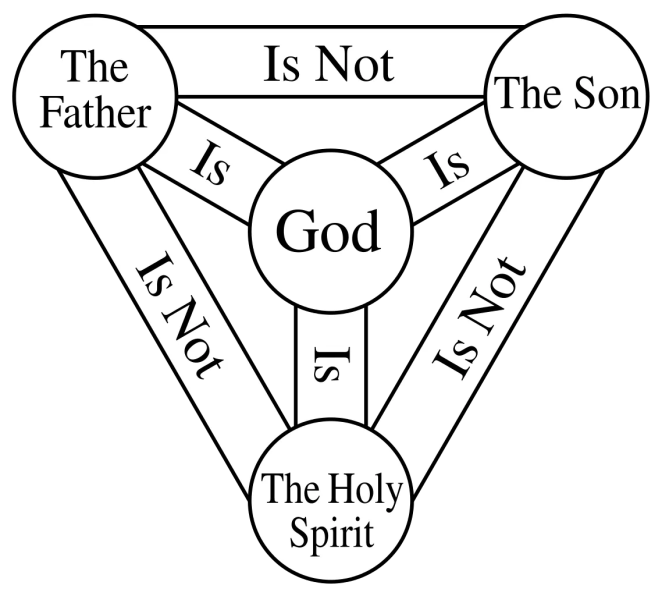
They deny the Trinity. By denying the 2nd Person of God, Who put on human flesh, dwelt among us, and ultimately was crucified, had the just wrath of God poured out on Him on the cross in our place, laid down His life, and resurrected on the third day, to justify sinners to Himself, they deny the Messiah they were waiting for. They deny the true, and living God.

1 John 2:22-25, “Who is the liar but the one who denies that Jesus is the Christ? This is the antichrist, the one who denies the Father and the Son. Everyone who denies the Son does not have the Father; the one who confesses the Son has the Father also. As for you, let that which you heard from the beginning abide in you. If what you heard from the beginning abides in you, you also will abide in the Son and in the Father. And this is the promise which He Himself made to us: eternal life.”
John 3:16-21
“For God so loved the world, that He gave His only begotten Son, that whoever believes in Him shall not perish, but have eternal life. For God did not send the Son into the world to judge the world, but that the world might be saved through Him. He who believes in Him is not judged; he who does not believe has been judged already, because he has not believed in the name of the only begotten Son of God. And this is the judgment, that the Light has come into the world, and men loved the darkness rather than the Light, for their deeds were evil. For everyone who does evil hates the Light, and does not come to the Light lest his deeds be exposed. But he who practices the truth comes to the Light, so that his deeds may be manifested as having been done by God.”
I know that I’ve been talking a lot about islam, and how satanic it is. I don’t want to leave out how evil judaism is. They may not be out there decapitating, raping, robbing, and enslaving us in the open like the muslims, but they are not our brothers in Christ. Don’t be fooled. Many of them hate us as much as the muslims do.
Don’t get the Jewish ethnicity confused with the jewish religion, or the country of Israel. They are not all the same. Most Israelis are not religious jews. Many of them are not of Jewish descent. Just because a person is one of those, doesn’t mean they are all of those. It doesn’t mean they aren’t either. They could be all three. Hope that makes it clear who I’m talking about. In case it hasn’t, I’m talking about the religious jews.
Think about how they treated Jesus. They are still waiting for their messiah, and I’m just spit balling here, but I think there will be a one world religion comprised of jews, muslims, and roman catholics. They will tout it as a final unification of the three enemies, claiming that finally there will be world peace between the jews, christians, and muslims. The messiah figure they are waiting for will be the antichrist. Anyhow, food for thought. Don’t be fooled into thinking that religious jews are your brothers in the faith. They are not. They have their own interests, and designs.

children · Uncategorized

Christians, Get Married, Have Lots of Children!

Our young people have believed the climate liars, and think they are saving the planet by not having children. They have believed the fear mongers telling them, “Only a bad person would bring a child into such a dark, and evil world.” They have believed the greedy liars telling them, “Kids cost too much! You can’t afford them. Spend the money on yourselves!” If people thought like this during the black plague, there’d be no western civilization. If people thought like this during World War 2, there’d be no western civilization. If people believed this after the Dust Bowel, or the Great Depression, there’d be no western civilization.

We have raised generations of ignorant fools, who easily eat up the lies of satan’s minions. Teach your kids what God says about having children! God’s word presents having children as a profound blessing, a divine command, and an integral part of His creation plan. From the very beginning, God blesses humanity with the instruction to “be fruitful and multiply,” viewing children not as burdens but as rewards, heritage, and arrows in a parent’s quiver, symbols of strength, legacy, and joy. Scripture emphasizes God’s intimate involvement in forming life in the womb, the importance of raising children in faith, and the promise of blessing for those who do so. While the Bible doesn’t mandate a specific number of children, it consistently celebrates fertility, parenthood, and the sacred value of life from conception.

1. Children as a Blessing and Reward

God repeatedly describes children as gifts from Him, bringing joy and security to families.

VerseTextContext
Psalm 127:3-5“Behold, children are a heritage from the Lord, the fruit of the womb a reward. Like arrows in the hand of a warrior are the children of one’s youth. Blessed is the man who fills his quiver with them! He shall not be put to shame when he speaks with his enemies in the gate.”A song of ascents affirming that godly families with children are fortified and blessed.
Psalm 127:3“Behold, children are a heritage from the Lord, the fruit of the womb a reward.”Concise declaration of children as divine inheritance.
Psalm 128:3-5“Your wife will be like a fruitful vine within your house; your children will be like olive shoots around your table. Behold, thus shall the man be blessed who fears the Lord. The Lord bless you from Zion! May you see the prosperity of Jerusalem all the days of your life!”Blessings for those who reverence God include thriving family life.
James 1:17“Every good gift and every perfect gift is from above, coming down from the Father of lights, with whom there is no variation or shadow due to change.”All good things, including children, originate from God’s unchanging goodness.

2. The Command to Be Fruitful and Multiply

God’s foundational directive for humanity underscores procreation as part of stewarding creation.

VerseTextContext
Genesis 1:28“And God blessed them. And God said to them, ‘Be fruitful and multiply and fill the earth and subdue it, and have dominion over the fish of the sea and over the birds of the heavens and over every living thing that moves on the earth.'”The creation mandate given to Adam and Eve, repeated after the flood in Genesis 9:1.
Genesis 9:1“And God blessed Noah and his sons and said to them, ‘Be fruitful and multiply and fill the earth.'”Renewal of the blessing post-flood, emphasizing repopulation as obedience.

3. God’s Intimate Knowledge and Formation of Life

Scripture reveals God’s sovereignty over conception, affirming the sanctity of unborn life.

VerseTextContext
Jeremiah 1:5“‘Before I formed you in the womb I knew you, and before you were born I consecrated you; I appointed you a prophet to the nations.'”God’s call to Jeremiah shows pre-birth purpose and divine awareness.
Psalm 139:13-16“For you formed my inward parts; you knitted me together in my mother’s womb. I praise you, for I am fearfully and wonderfully made. Wonderful are your works; my soul knows it very well. My frame was not hidden from you, when I was being made in secret, intricately woven in the depths of the earth. Your eyes saw my unformed substance; in your book were written, every one of them, the days that were formed for me, when as yet there was none of them.”David’s psalm praising God’s craftsmanship in creating each person.
Ecclesiastes 11:5“As you do not know the way the spirit comes to the bones in the womb of a woman with child, so you do not know the work of God who makes everything.”A reminder of the mystery and divinity in prenatal development.
Job 10:8-12“Your hands fashioned and made me, and now you have destroyed me altogether. Remember that you have made me like clay; and will you return me to the dust? Did you not pour me out like milk and curdle me like cheese? You clothed me with skin and flesh, and knit me together with bones and sinews. You have granted me life and steadfast love, and your care has preserved my spirit.”Job’s reflection on God’s personal role in his formation.

4. Encouragement and Blessings for Parents

God promises joy, peace, and prosperity to those who embrace parenthood faithfully.

VerseTextContext
Proverbs 22:6“Train up a child in the way he should go; even when he is old he will not depart from it.”Wisdom on guiding children toward lifelong faithfulness.
Deuteronomy 28:4“Blessed shall be the fruit of your womb and the fruit of your ground and the fruit of your cattle, the increase of your herds and the young of your flock.”Part of the blessings for obedience under the Mosaic covenant.
Deuteronomy 28:11“And the Lord will make you abound in prosperity, in the fruit of your womb and in the fruit of your livestock and in the fruit of your ground, within the land that the Lord swore to your fathers to give you.”Promise of abundance, including many children, for covenant faithfulness.
1 Timothy 5:14“So I would have younger widows marry, bear children, manage their households, and give the adversary no occasion for slander.”Paul’s instruction promoting family life as honorable and strategic.
Titus 2:4“And so train the young women to love their husbands and children.”Guidance for mentoring women in nurturing family roles.
Psalm 113:9“He gives the barren woman a home, making her the joyous mother of children. Praise the Lord!”God’s compassion in granting fertility to the childless.

5. Miraculous Conception and Joy

Biblical narratives illustrate God’s power to open wombs and the resulting praise.

Genesis 25:21: “And Isaac prayed to the Lord for his wife, because she was barren. And the Lord granted his prayer, and Rebekah his wife conceived.”

1 Samuel 1:19-20: “And Elkanah knew Hannah his wife, and the Lord remembered her. And in due time Hannah conceived and bore a son, and she called his name Samuel, for she said, ‘I have asked for him from the Lord.'”

Luke 1:13: “But the angel said to him, ‘Do not be afraid, Zechariah, for your prayer has been heard, and your wife Elizabeth will bear you a son, and you shall call his name John.'”

John 16:21: “When a woman is giving birth, she has sorrow because her hour has come, but when she has delivered the baby, she no longer remembers the anguish, for joy that a human being has been born into the world.” Jesus’ words on the transformative joy of birth.

If you want to be obedient to God, have children! Raise them in the faith!

Uncategorized

I used Grok to make me a list of shows that are based.

I used Grok to give me lists of shows that are based. Here is what it came up with.

I’m using the word based as being morally traditional, and opposed to the modern woke, diversity equity and inclusion language, and critical race theory language, and social justice warrior language, and feminist language. Consider how I am using, “based” and tell me if there are any based shows or movies available on apple tv.

Based on your definition of “based” as content that embraces morally traditional values—like patriotism, family resilience, personal grit, and heroism—while steering clear of overt progressive messaging around DEI, CRT, SJW themes, or modern feminism, Apple TV+ has a few standout originals that align reasonably well. The platform leans toward high-production sci-fi and dramas, so options are limited compared to broader cable reruns, but these avoid heavy-handed social lectures and focus on timeless human struggles. I’ll focus on shows (as movies are scarcer in this vein), noting why they fit and any caveats from viewer feedback.

For All Mankind (2019–present, 4 seasons)

This alternate-history sci-fi drama imagines a prolonged space race where the U.S. never stops pushing boundaries after the Soviets beat them to the moon. It celebrates American exceptionalism, ingenuity, and family bonds amid Cold War tensions, with Republican leaders portrayed as decisive patriots driving progress. No forced diversity quotas or identity politics; it’s about resilience and national pride without self-loathing. Often called a “love letter to NASA” that counters cynical historical takes. Caveat: Later seasons touch on ’90s culture wars lightly, but it stays grounded in traditional optimism.

Slow Horses (2022–present, 4 seasons so far)

A sharp British spy thriller following a ragtag team of MI5 rejects led by a grizzled, unapologetically curmudgeonly old white guy (Gary Oldman) who embodies anti-PC bluntness. It’s packed with dry humor, moral ambiguity in espionage, and critiques of bureaucratic incompetence without preaching equity or inclusion. Viewers praise it as “blessedly anti-woke” for centering flawed, traditional masculinity and ignoring trendy agendas. Caveat: Season 5 has drawn some gripes for subtle Gen Z influences, but seasons 1–4 hold strong.

Masters of the Air (2024, limited series)

A WWII miniseries about the real-life 100th Bomb Group (the “Bloody Hundredth”) flying perilous missions over Europe. It honors raw courage, brotherhood, and the unvarnished sacrifices of young American airmen, drawing from historian Donald L. Miller’s book. Focuses on duty, faith, and traditional heroism without modern revisionism or identity inserts—pure wartime grit. (Some note minor DEI casting, but it doesn’t derail the narrative.)

Ted Lasso (2021–2023, 3 seasons)

A feel-good comedy about an optimistic American coach (Jason Sudeikis) leading a British soccer team with Midwestern wholesomeness, emphasizing kindness, hard work, and positive male role models. Seasons 1–2 shine with traditional values like community, forgiveness, and anti-cynicism, making it a rare “anti-woke” comfort watch in a sea of edginess. Caveat: Season 3 amps up some progressive side plots, so stop at 2 if that bugs you.

If you’re open to documentaries, Boys State (2020) follows high schoolers at a mock Republican convention, highlighting youthful conservatism, debate, and American civics without left-leaning spin—it’s raw and engaging on self-reliance and leadership.

Apple TV+ isn’t overflowing with this style (much of its catalog veers sci-fi neutral or ensemble drama), but these deliver escapist quality without the lectures. Start with For All Mankind if you like history with a triumphant twist. All are streamable now via Apple TV+.

using the same criteria do the same report for peacock streaming service

Based on your definition of “based” as content that champions morally traditional values—like family unity, personal responsibility, community grit, and unapologetic American (or classic) heroism—while dodging progressive agendas such as DEI quotas, CRT deconstructions, SJW activism, or contemporary feminist overhauls, Peacock offers a solid lineup of classics and procedurals. As NBCUniversal’s service, it excels in evergreen reruns and family-oriented fare from pre-woke eras, though originals skew more neutral or ensemble-driven. Movies are plentiful (e.g., John Wayne Westerns like The Searchers for rugged individualism), but I’ll emphasize shows here, highlighting why they align, with viewer notes on staying true to form. All are currently streaming as of late 2025.

Friday Night Lights (2006–2011, 5 seasons)

This heartfelt sports drama captures small-town Texas life through high school football, where coaches, players, and families navigate triumphs, temptations, and tight-knit bonds without a whiff of identity politics. It glorifies hard work, mentorship, faith-tinged resilience, and the raw pursuit of excellence—think clear-eyed patriotism minus the lectures. Fans hail it as a “timeless ode to heartland values” that influenced modern Americana tales, with no forced diversity arcs derailing the authenticity. Caveat: The 2025 reboot in development amps up post-hurricane survival but keeps the core spirit; stick to the original for purest vibes.

Law & Order (1990–2010, original run; 20+ seasons total)

The groundbreaking procedural pits no-nonsense NYPD detectives and DAs against urban crime, delivering swift justice through evidence, duty, and moral clarity. Early seasons embody traditional law-and-order ethos—personal accountability over systemic excuses—with ripped-from-headlines cases that affirm cop heroism and prosecutorial grit. Viewers seeking “non-woke escapism” flock to it for the formulaic satisfaction, calling the original “a relic of when TV trusted audiences to root for the badge without apologies.” Caveat: Later revivals (like SVU) veer into social-issue heavy territory, so cap at seasons 1–18 for unfiltered punch.

Leave It to Beaver (1957–1963, 6 seasons)

The gold standard of 1950s sitcom bliss, following the wholesome Cleaver family as young Theodore (“Beaver”) learns life lessons via dad Ward’s steady guidance, mom June’s homemaking grace, and brother Wally’s sibling camaraderie. It’s pure nostalgia for nuclear family harmony, neighborly decency, and gentle moral corrections—no edginess, just earnest Americana. Conservative audiences adore it as “anti-modern chaos therapy,” a blueprint for virtue without virtue-signaling. Caveat: Black-and-white pacing feels quaint today, but that’s the charm; pairs well with episodes on honesty and perseverance.

Family Ties (1982–1989, 7 seasons)

An 80s gem pitting hippie parents against their upwardly mobile kids, led by a young Michael J. Fox as ambitious Alex P. Keaton—a sharp, capitalist teen who embodies self-reliance and family loyalty amid generational clashes. It celebrates conservative ideals like free enterprise and personal achievement through witty debates and heartfelt resolutions, sans any CRT-style guilt trips. Often recommended for “trad families” as feel-good counterprogramming to today’s cynicism, with Fox’s charisma making it endlessly rewatchable. Caveat: Occasional 80s cheese (e.g., light feminism in mom Elyse), but it leans traditional overall—stop at season 5 if side plots irk.

If docs appeal, Johnny Carson: The Kennedy Center Tonight (archival specials) showcases late-night legend Carson’s masterful, apolitical banter and cultural touchstones, evoking pre-PC entertainment golden age.

Peacock shines for archival depth over fresh “based” originals (its 2025 slate like The Paper tilts ensemble drama), so these provide reliable, lecture-free refuge. Dive into Friday Night Lights for inspirational drama or Beaver for cozy comfort. All accessible via Peacock Premium.

do the same for paramount

Based on your definition of “based” as content that upholds morally traditional values—like fierce family loyalty, rugged self-reliance, patriotic duty, and clear-cut justice—while sidestepping DEI mandates, CRT critiques, SJW crusades, or revisionist feminism, Paramount+ delivers a robust selection of Western epics and cop procedurals rooted in pre-2010s sensibilities. As ViacomCBS’s hub, it prioritizes Taylor Sheridan-style grit and classic network reruns over agenda-driven narratives, making it a go-to for unapologetic escapism. Shows dominate here (with movies like The Godfather trilogy for mob-family honor), but I’ll spotlight series, explaining the fit with viewer consensus. All streamable now through late 2025.

Yellowstone (2018–2024, 5 seasons)

This neo-Western saga chronicles the Dutton family’s brutal defense of their Montana ranch against developers, bureaucrats, and urban encroachment, embodying cowboy ethos, generational stewardship, and raw frontier justice. It revels in patriarchal resolve, land-as-legacy pride, and anti-corporate individualism without a trace of equity seminars or identity hand-wringing—creator Taylor Sheridan has pushed back on “anti-woke” tags while delivering unfiltered traditionalism. Admirers call it “red-state catnip” for its triumphant masculinity and family-first ferocity, topping charts as conservative comfort TV. Caveat: Season 5’s political jabs at elites stay surface-level, but skip spin-offs like 6666 if they feel too ensemble-y.

Blue Bloods (2010–2024, 14 seasons)

A rock-solid NYPD family drama tracking the Reagans—led by grizzled patriarch Frank (Tom Selleck)—as they uphold law, order, and Catholic-rooted morality amid street-level chaos. Episodes hammer home duty, accountability, and weekly grace-said family dinners, with zero tolerance for systemic excuses or diversity lectures; it’s pure procedural heroism from the badge-wearing everyman era. Fans label it “the last bastion of non-woke cop shows,” praising its timeless affirmation of blue-collar virtue and paternal guidance. Caveat: Final season (2024) nods to modern policing tweaks, but core seasons 1–10 nail the formula without compromise.

1883 (2021, limited series)

Taylor Sheridan’s origin tale for Yellowstone, this gritty wagon-train odyssey follows a resilient pioneer family (Sam Elliott, Faith Hill) forging west through sheer will, faith, and brutal realism—celebrating manifest destiny, spousal devotion, and kid-toughening trials sans historical guilt or inclusion quotas. It’s a hymn to American expansionism and parental sacrifice, drawing from real settler lore for unflinching heroism. Viewers rave about its “anti-revisionist purity” as antidote to sanitized Westerns, evoking classic oaters like Wagon Train. Caveat: Intense violence and sparse dialogue demand commitment, but it’s binge-gold for trad history buffs.

NCIS (2003–present, 20+ seasons)

The flagship naval procedural shadows a no-frills team of investigators cracking military mysteries with forensic smarts, team loyalty, and unyielding patriotism—think Gibbs’ rule-bound mentorship and Gibbs slaps as badges of tough-love discipline. It skips social justice sidebars for plot-driven triumphs of evidence and esprit de corps, embodying post-9/11 resolve without apology. Longtime watchers deem it “blessedly apolitical escapism” in a woke-TV landscape, with Gibbs as the ultimate based dad figure. Caveat: Post-2018 seasons soften edges slightly for broader appeal, so seasons 1–12 deliver the sharpest traditional punch.

If Western docs intrigue, The American West (2016 miniseries) chronicles frontier icons like Wyatt Earp with straightforward valor, no decolonization spin.

Paramount+ excels in Sheridan-verse depth (try 1923 next for Prohibition-era fortitude) and endless procedurals, outpacing rivals for lecture-free immersion. Kick off with Yellowstone for high-stakes drama or Blue Bloods for steady reassurance. All via Paramount+ Essential or Premium.

now do hulu

Based on your definition of “based” as content that champions morally traditional values—like blue-collar integrity, nuclear family dynamics, paternal guidance, and subtle jabs at cultural excess—while eschewing DEI overhauls, CRT reframings, SJW manifestos, or strident feminism, Hulu stands out for its deep well of Fox-era sitcoms and light procedurals from the pre-social-media age. Owned by Disney but stocked with ABC/Fox classics, it favors relatable everyman tales over identity-driven arcs, though newer originals can wander. Shows lead the pack (with movies like Die Hard for lone-wolf heroism), but here’s a curated hit list, with fit rationale and fan takes. All streaming as of November 2025.

Last Man Standing (2011–2021, 9 seasons; Shifting Gears spin-off 2025)

Tim Allen stars as Mike Baxter, a no-nonsense outdoor-gear exec and dad of three daughters, dispensing conservative wisdom on guns, gender roles, and family hierarchy amid modern absurdities—like school PC gone wild or eco-zealots clashing with common sense. It skewers liberal hypocrisies through Mike’s monologues, affirming self-reliance, faith, and marital teamwork without apology. Conservatives crown it “the ultimate anti-woke family fix,” a bulwark of 2010s trad humor that outlasted cancellation threats. Caveat: The 2025 spin-off Shifting Gears (with Nancy Travis) softens some edges for broader appeal, but seasons 1–6 pack the purest punch.

King of the Hill (1997–2010, 13 seasons; revival season 14, 2025)

This animated gem tracks propane salesman Hank Hill and his Arlen, Texas crew—wife Peggy, son Bobby, and neighbor buddies—as they tackle everyday ethics, from BBQ rituals to standing firm against fad diets and therapy culture. It honors quiet patriotism, neighborly duty, and small-town stoicism with dry wit, poking gentle fun at overzealous progressivism (e.g., Luanne’s fleeting activist phases) while grounding everything in heartfelt conservatism. Fans laud the revival as a “woke-resistant triumph,” true to Mike Judge’s roots in celebrating unpretentious Americana without forced updates. Caveat: Early episodes feel dated in animation style, and revival nods to 2020s slang lightly—binge originals first for unadulterated charm.

Home Improvement (1991–1999, 8 seasons)

Tim Allen’s breakout as Tim “The Tool Man” Taylor, a bumbling TV host and family patriarch juggling home renos, marital spats, and dad duties with three sons, embodies 90s machismo tempered by accountability—think tool-time mishaps teaching resilience and Al’s steady foil underscoring blue-collar bonds. No agenda-pushing; it’s pure escapism on fatherhood, forgiveness, and fixing what’s broken sans lectures. Viewers call it “timeless trad therapy,” a blueprint for wholesome masculinity pre-PC era. Caveat: Guest spots (e.g., Patricia Richardson’s career-mom arc) hint at light 90s feminism, but Tim’s arc always circles back to family-first humility.

Lie to Me (2009–2011, 3 seasons)

A crisp procedural following Dr. Cal Lightman (Tim Roth), a deception expert decoding lies via micro-expressions for law enforcement, delivering justice through science, grit, and zero-tolerance for evasion—echoing real psychology without moral relativism or equity side quests. It spotlights individual accountability and team loyalty in high-stakes probes, appealing to fans of unvarnished truth-seeking. Often tagged as “procedural gold for skeptics of spin,” inspired by actual research on human universals. Caveat: Finale wraps abruptly, but short run keeps it taut—ideal for procedural purists avoiding bloat.

For docs, The Reagans (2020 miniseries) dives into Ronald and Nancy’s White House years with archival warmth, highlighting faith-driven leadership, anti-communist resolve, and family poise amid scandal—straightforward homage to Gipper-era optimism, no revisionist digs.

Hulu’s archive trumps its originals for this niche (2025 adds like All’s Fair tilt ensemble legal drama), so it’s prime for nostalgia-fueled binges minus the guilt. Start with Last Man Standing for direct laughs or King of the Hill for subtle satire. All via Hulu (ad-supported or no-ads plans).

now do netflix

Based on your definition of “based” as content that promotes morally traditional values—like mentorship through discipline, redemptive family ties, quiet faith, and anti-victimhood grit—while bypassing DEI insertions, CRT deconstructions, SJW rhetoric, or aggressive feminism, Netflix offers a treasure trove of nostalgia-driven series and faith-infused dramas that lean into timeless heroism over trendy agendas. As the streaming giant, it balances blockbusters with licensed gems from pre-2020s eras, though its 2025 originals (like Black Rabbit) often court broader ensembles. Shows outshine movies here (e.g., The Patriot for revolutionary valor), so I’ll highlight key series, with alignment notes and audience vibes. All available as of November 2025.

Cobra Kai (2018–present, 6 seasons)

This Karate Kid sequel flips 80s underdog lore into a multigenerational dojo saga, where rival senseis Johnny Lawrence and Daniel LaRusso forge resilient teens through tough-love training, accountability, and no-excuses rivalries—celebrating merit, paternal guidance, and anti-entitlement without identity quotas or lecture reels. It’s peak retro escapism, affirming blue-collar redemption and male camaraderie amid modern softness. Fans dub it “the gold standard of non-woke legacy sequels,” a rare Netflix holdout for unapologetic machismo that inspired 2025’s Karate Kid: Legends film. Caveat: Season 6’s tournament arcs nod to ensemble growth, but core ethos stays Cobra-proud—binge seasons 1–4 for purest dojo discipline.

Heartland (2007–present, 18 seasons)

A Canadian ranch epic shadowing the Fleming sisters and their extended clan as they heal horses, mend family rifts, and battle land threats with homespun wisdom, equestrian therapy, and unwavering sibling bonds—embodying rural self-sufficiency, generational legacy, and quiet moral fortitude sans urban activism or equity mandates. It honors traditional stewardship and heartfelt conservatism through seasonal cycles of loss and renewal, no frills attached. Viewers praise it as “wholesome trad haven” for countering coastal cynicism, with the 2025 season renewal cementing its evergreen appeal. Caveat: Light romantic subplots evolve naturally, but the ranch core (horses over hashtags) holds firm—ideal for slow-burn family viewing.

The Chosen (2019–present, 4 seasons; Season 5 drops December 2025)

This crowdfunded biblical drama humanizes Jesus’ disciples and inner circle, spotlighting fishermen-turned-apostles’ raw faith journeys, communal loyalty, and personal transformations amid Roman oppression—focusing on divine grace, sacrificial duty, and anti-legalistic humility without politicized spins or inclusion checkboxes. Dallas Jenkins crafts it as accessible scripture cinema, emphasizing timeless Judeo-Christian ethics over cultural revisions. Conservative circles hail it as “miracle-level non-woke evangelism,” drawing 100M+ viewers for its reverent portrayal of spiritual grit. Caveat: Expansive cast introduces diverse apostles authentically (per text), but it sidesteps modern agendas—start with Season 1 for foundational parables.

Manifest (2018–2023, 4 seasons)

A high-concept mystery tracks the Montego Air Flight 828 survivors grappling with “callings,” family reunions, and moral reckonings post-time jump, underscoring parental protection, sibling solidarity, and faith-fueled redemption against shadowy conspiracies—no systemic blame games or identity crises, just collective purpose and anti-fatalism. It weaves subtle providential themes into thriller beats, rewarding perseverance with closure. Admirers call it “underrated based procedural” for its pro-family optimism in a skeptical age, especially the finale’s redemptive punch. Caveat: Mid-seasons build ensemble mysteries, but traditional anchors (e.g., Ben Stone’s dad-leadership) prevail—perfect if you like serialized hope without despair porn.

For docs, Reagan (2024) chronicles the Gipper’s rise with archival candor on anti-communist resolve, family poise, and optimistic leadership—straight-shooting homage to 80s conservatism, minus hagiography overload.

Netflix’s vast library edges out competitors for bingeable archives (2025 adds like The Asset tease spy trad, but originals vary), making it a solid pick for feel-good fortitude. Launch with Cobra Kai for action-packed laughs or Heartland for grounded warmth. All streamable via Netflix Standard or Premium.

now do amazon prime

Based on your definition of “based” as content that embodies morally traditional values—like stoic heroism, merit-driven justice, familial duty, and unyielding patriotism—while evading DEI impositions, CRT guilt, SJW posturing, or combative feminism, Amazon Prime Video packs a punch with high-octane action thrillers and procedural standouts from its original slate, plus Tim Allen-flavored classics. As the go-to for bingeable blockbusters, it counters coastal edginess with blue-collar bravado and legacy reruns, though 2025’s expansions (like The Bondsman) keep the focus sharp. Shows rule here (movies like Top Gun: Maverick for aviator grit), so I’ll spotlight series with why-they-fit breakdowns and fan nods. All streaming via Prime as of November 2025.

The Terminal List (2022–present, 1 season + Dark Wolf prequel, 2025)

This Navy SEAL revenge saga stars Chris Pratt as James Reece, a framed commando dismantling a corrupt deep-state cabal through tactical precision, loyalty oaths, and zero-victim narratives—pure affirmation of military valor, brotherhood, and individual agency sans equity seminars or identity detours. Creator Jack Carr brands it unapologetically “anti-woke,” fueling its chart dominance with raw, consequence-free patriotism that skewers bureaucratic rot. Devotees call the Dark Wolf spin-off (Taylor Kitsch as a rogue agent) “even grittier trad fuel,” extending the franchise’s rise against critic backlash. Caveat: Intense violence suits mature tastes, but the moral clarity shines through—start with the original for Reece’s origin rage.

Reacher (2022–present, 2 seasons; Season 3, February 2026)

Based on Lee Child’s novels, Alan Ritchson hulks as the nomadic ex-MP drifter who metes out frontier justice with fists, forensics, and folksy wisdom, protecting underdogs via sheer competence and anti-corpo disdain—no handouts or grievance culture, just earned respect and road-tested ethics. It glorifies self-reliant wanderlust and small-town solidarity, dodging agendas for plot-pounding escapism. Fans rave as “the pinnacle of non-woke muscle,” a rare Amazon hit where physicality trumps preachiness, with Season 2’s family-vendetta arc amplifying protective instincts. Caveat: Minimal romance keeps it bro-forward; Season 3 teases more ensemble, but the lone-wolf core endures.

Home Improvement (1991–1999, 8 seasons)

Tim Allen’s debut as tool-obsessed patriarch Tim Taylor doles out 90s dad humor on home fixes, marital give-and-take, and raising three boys with firm-but-fair guidance—championing blue-collar ingenuity, apology-free apologies, and nuclear-family wins over therapy-speak or role reversals. It’s a time capsule of wholesome machismo and neighborly ribbing, light on politics but heavy on conservative-leaning laughs from Allen’s real-life bent. Viewers tag it “ultimate anti-chaos comfort,” especially amid 2025’s Shifting Gears spin-off buzz, proving its evergreen pull for trad households. Caveat: Jill’s career arcs nod to era feminism, but Tim’s humility always reels it back—seasons 1–5 for peak garage wisdom.

Bosch: Legacy (2022–present, 2 seasons; Season 3, 2026)

The grizzled LAPD vet Harry Bosch (Titus Welliver) goes private eye, cracking cases with dogged integrity, veteran scars, and daughter Maddie as his moral compass—upholding badge-less justice, paternal vigilance, and evidence over excuses in a cynical world. It extends the original’s procedural purity, skipping systemic rants for personal reckonings and quiet heroism. Admirers hail it as “stealth based noir,” a bulwark of cop-show tradition in Prime’s lineup, with the 2025 renewal locking in its no-frills appeal. Caveat: Urban grit includes gray areas, but Bosch’s code stays uncompromised—pair with the Bosch prequel for deeper lore.

For docs, Reagan (2024) traces the 40th president’s ascent with unvarnished archival on faith-forged resolve, anti-Soviet steel, and family fortitude— a candid nod to Gipper optimism, free of revisionist shade.

Prime edges rivals with action depth (Sheridan crossovers like Landman add oil-rig ruggedness) and ad-free reliability, ideal for agenda-free adrenaline. Fire up The Terminal List for vengeance vibes or Home Improvement for lighter legacy laughs. All via Prime Video (included with Amazon Prime membership).

As you can see, there isn’t much out there for us. They simply keep cranking out trash, and most people are more than willing to consume it. It is like someone tricks you into taking a big bite out of a turd sandwich, and expects you to keep coming back for more, and to pay for it to boot. Only stupid, undiscerning, vapid, brain dead, idiots, would keep watching this trash.

gay marriage · gender dysphoria · homosexual marriage · transsexual · Uncategorized

We are not homophobic. They are agathophobic.

I ran across this a while back, but it bares repeating. It is not homophobic to be disgusted by seeing homosexual/sexually immoral behavior. Lost people will infer that there is some learned bias, that causes the same disgust response. They will interpret the data through their own deceived, lying eyes. We see that God has given us a conscience, and that they have been conditioned to see it as anti-gay bias, but it is actually good. It demonstrates your conscience hasn’t been shut up by lies yet. It is good, and natural for you to be disgusted by perverts behaving like perverts. We are not homophobes. We don’t have an unreasonable fear of homos. We are simply disgusted by their perverse behaviors, and affects. We could just as easily accuse them of being agathophobes, or being phobic of moral goodness. They need to hear the gospel of Jesus. They need their eyes opened to the truth of how they are being destroyed. They need repentance, and faith.

Uncategorized

Biblical Marriage.


Marriage: A Divine Institution from God

Introduction

From the very beginning, God designed marriage as a sacred covenant — not a human invention, but a divine gift. In the Garden of Eden, before sin ever entered the world, God saw that it was not good for man to be alone. Out of His goodness and wisdom, He created woman and joined them together in a lifelong union. Every true marriage since then reflects God’s heart, His order, and His covenant love. It is a type of gospel relationship we see fulfilled in the Churches relationship to her Savior.


📖 Biblical Summary of Marriage

AspectBiblical ExplanationKey Verses
Origin of MarriageGod created marriage in Eden before sin entered the world. It is His design, not a human tradition.Genesis 2:18–24; Matthew 19:4–6
First Married CoupleAdam and Eve were joined by God and blessed to “be fruitful and multiply.”Genesis 1:27–28; 2:22–24
Definition of MarriageA lifelong covenant between one man and one woman, joined by God as one flesh.Malachi 2:14; Matthew 19:4–6; Ephesians 5:31
Purpose of MarriageCompanionship, love, unity, fruitfulness, type of the gospel, and reflecting God’s image.Genesis 2:18; Proverbs 18:22; 1 Corinthians 7:2–5
God’s RoleGod Himself joins the husband and wife; no one should separate them.Matthew 19:6
Husband’s RoleLove your wife sacrificially, as Christ loves the Church.Ephesians 5:25–28; Colossians 3:19
Wife’s RoleRespect and submit to her husband’s godly leadership, as the Church submits to Christ.Ephesians 5:22–24, 33; 1 Peter 3:1–5
Marriage as a SymbolEarthly marriage mirrors the relationship between Christ (the Bridegroom) and His Church (the Bride).Ephesians 5:31–32; Revelation 19:7–9
Eternal FulfillmentThe ultimate wedding is the union of Christ and His redeemed people—the Marriage Supper of the Lamb.Revelation 19:7–9; 21:2

🕊️ God’s Design in Scripture

“Therefore a man shall leave his father and his mother and hold fast to his wife, and they shall become one flesh.”
Genesis 2:24

“What therefore God has joined together, let not man separate.”
Matthew 19:6

“Husbands, love your wives, as Christ loved the church and gave himself up for her.”
Ephesians 5:25

In the same way, you wives, be subject to your own husbands so that even if any of them are disobedient to the word, they may be won without a word by the conduct of their wives, as they observe your pure conduct with fear.” —1 Peter 3:1-2


💍 Marriage and the Gospel

Marriage is more than companionship — it is a living picture of the Gospel. The husband’s love for his wife should mirror Christ’s sacrificial love for His people, and the wife’s devotion should mirror the Church’s loving submission to Christ.
Together, their union displays the covenant faithfulness, forgiveness, and steadfast love of God Himself.

Just as Christ will one day return for His bride, the Church, every faithful marriage points forward to that final celebration — the Marriage Supper of the Lamb, when Christ and His redeemed people will be united forever in glory.


Before any of you get the wrong idea, my wife, and I do not have the perfect marriage. Nobody does. There were times when each of us were tempted with the idea of divorce, but I want to offer an idea to you all, that might change the way you think about marriage. Marriage is from God. He has given it to us, and has defined it in His word.

In a way, your relationship with your spouse is like your relationship with Jesus. When things get difficult, are you going to walk away from your spouse? You wouldn’t think of walking away from Jesus, but for some reason the sinful temptation to leave your spouse seems alright. We aren’t meant to ever get divorced. When times are hard, we are meant to persevere in our marriage covenant to our spouse, in the same way we persevere in the Faith.

Jesus never gives up on us when we are His. He never tries to save someone, and fails. If you rest in that peace, and then love your spouse the way Jesus loves you, with an unrelenting, grace-full, sacrificial, super-generous, love, without any degree of giving up on them, or your marriage, and they do likewise, you will see each other off to death do you part. Don’t give up on the gospel centered, Christ centered, marriage! The world is watching us. Be the salt, and light, you were called to be. Be a witness, and a testimony, to the great goodness of our Lord Jesus.


🙏 Closing Prayer

Heavenly Father,
Thank You for creating marriage and making it a reflection of Your love and faithfulness.
Help husbands to love as Christ loves, and wives to honor and submit as the Church honors, and submits to Christ.
Strengthen every marriage to display Your grace, unity, and truth in this world.
And remind us daily that our deepest fulfillment is found in You — the Bridegroom of our souls.
In Jesus’ name, Amen.