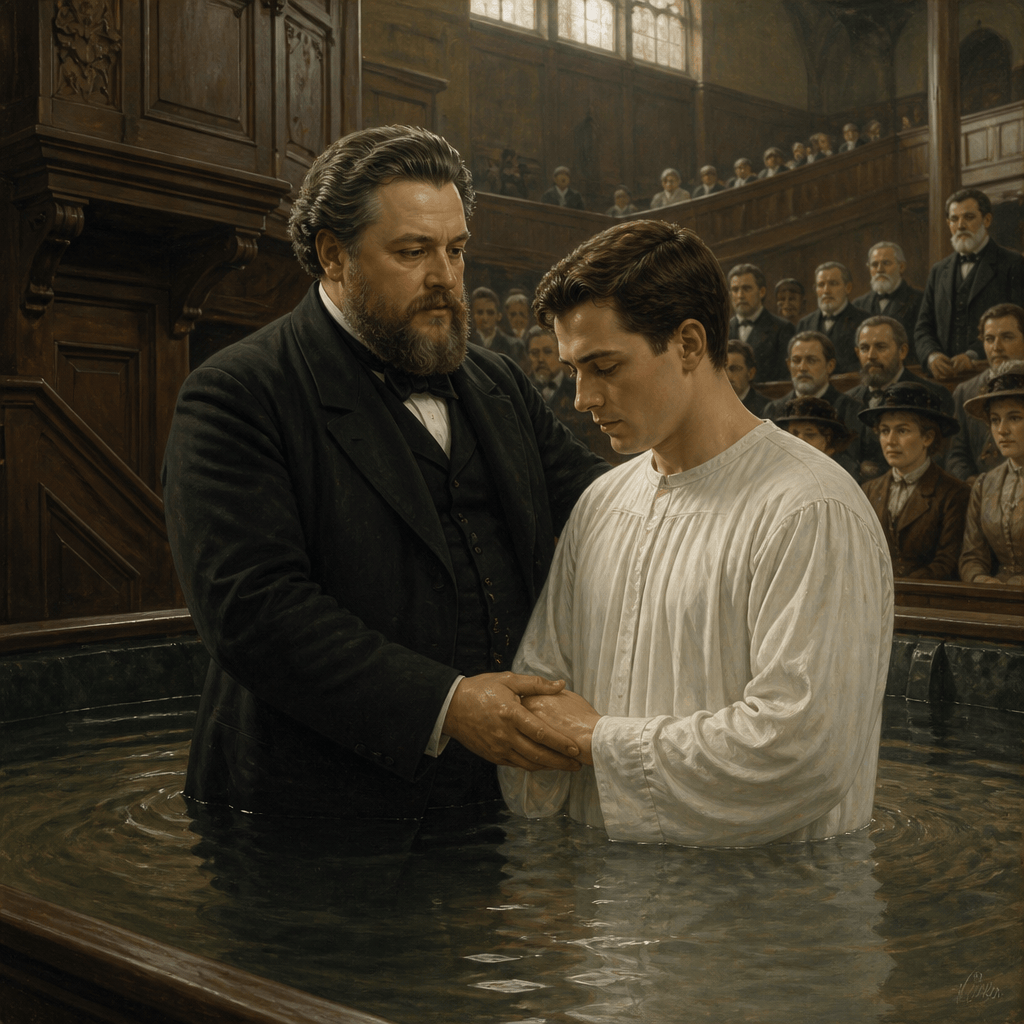
Some folks love to twist the clear teaching of Scripture. They want to make baptism into some kind of magical water ritual that cleanses the soul. I have seen this error creep into too many churches. It is high time we look at the Word of God and stop elevating tradition above the text.
If you read the Bible plainly, without trying to manufacture a theology that saves you through wetness, you will see the truth. We are saved by grace through faith. Period.
The Strongest Argument: The Case of Cornelius
If you want to see the error of baptismal regeneration, look straight at Acts 10. This is the moment where the Holy Spirit falls on the Gentiles. Peter is preaching the Gospel. While he is still speaking, the Holy Spirit falls on everyone listening.
Acts 10:44 says, “While Peter was still speaking these words, the Holy Spirit fell upon all those who were listening to the message.”
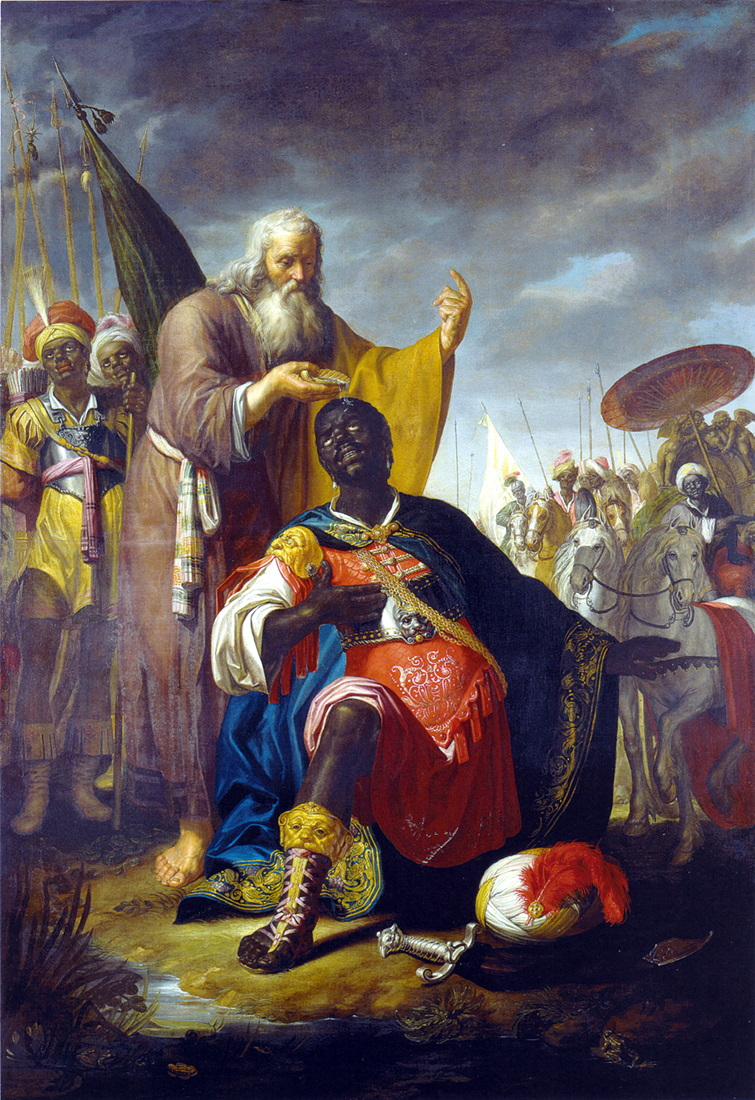
Now, stop right there. Does the Holy Spirit fall on lost, unregenerate people? No. To have the Spirit is to be born again. To have the Spirit is to be united to Christ. Peter recognizes this immediately. He sees that they have the Spirit. They are already saved. Then, he commands that they be baptized.
If baptism were the means of regeneration, the sequence would be backward. Cornelius would have been sitting in his chair waiting for Peter to dunk him so he could finally get saved. But he did not. He got the Spirit first because he heard the truth and believed. The baptism was just the follow-up. It was the public verification of a reality that had already taken place.
The Apostle Paul’s Mission
Look at what Paul says in 1 Corinthians 1:14-17. He is writing to a church that is acting like a pack of fools, bickering over who baptized them. Paul thanks God that he baptized almost none of them.
Think about that. If baptism were the instrument of salvation, being the actual pipe through which the grace of God flows into your soul, Paul would have been baptizing everyone in sight. He would have been a baptism machine. Instead, he says he is glad he did not baptize them because he did not want anyone to boast. He says his call was to preach the Gospel.
You cannot preach the Gospel and say that the ritual of baptism is the means of your salvation. It is either the finished work of Christ on the cross, or it is the water. It cannot be both. Paul knew that the Gospel is the power of God for salvation, not the water of the baptistery.
Belief Precedes Baptism
Let us look at Acts 8:12. It says, “But when they believed Philip preaching the good news about the kingdom of God and the name of Jesus Christ, they were being baptized, men and women alike.”
Notice the order. It is crucial. They believed first. They accepted the truth of the Gospel. Then, and only then, did they get baptized. If baptism were the thing that made you a Christian, Philip would have had to drag them into the water before they understood anything. But that is not what the text says. Belief comes first. That is credobaptism. You believe, then you obey the command to be baptized.
The Thief on the Cross
Think about the thief on the cross. He was dying next to our Savior. He could not move. He could not get to a river. He could not perform any works of religion. But he looked at Jesus and trusted Him. And Jesus told him, “Truly I say to you, today you shall be with Me in Paradise” (Luke 23:43).
That man was not baptized. If he was saved without baptism, then baptism cannot be a requirement for salvation. It is just that simple.
Stop Confusing the Sign with the Reality
We are living in a time where people want to feel like they are doing something to earn God’s favor. They like the ritual. It makes them feel pious. But God does not want your rituals if you do not have a heart that has been transformed by faith in His Son. Romans 3:28 is clear: “For we maintain that a man is justified by faith apart from works of the Law.”
A wedding ring is a symbol of marriage, but the ring does not make you married. The vows do. Baptism is the sign of the believer, but the act of dipping in the water does not make you a believer. Faith in the finished work of Christ does that.
Go back to the Word. Stop listening to the theologians who want to complicate the simple Gospel. Believe on the Lord Jesus Christ and you will be saved. Everything else follows after.
Scripture References
Acts 10:44 (LSB): “While Peter was still speaking these words, the Holy Spirit fell upon all those who were listening to the message.”
Acts 10:47-48 (LSB): “Surely no one can refuse the water for these to be baptized who have received the Holy Spirit just as we did, can he? And he ordered them to be baptized in the name of Jesus Christ.”
1 Corinthians 1:17 (LSB): “For Christ did not send me to baptize, but to preach the gospel, not in cleverness of speech, so that the cross of Christ would not be made void.”
Acts 8:12 (LSB): “But when they believed Philip preaching the good news about the kingdom of God and the name of Jesus Christ, they were being baptized, men and women alike.”
Luke 23:43 (LSB): “And He said to him, ‘Truly I say to you, today you shall be with Me in Paradise.’”
Romans 3:28 (LSB): “For we maintain that a man is justified by faith apart from works of the Law.”